
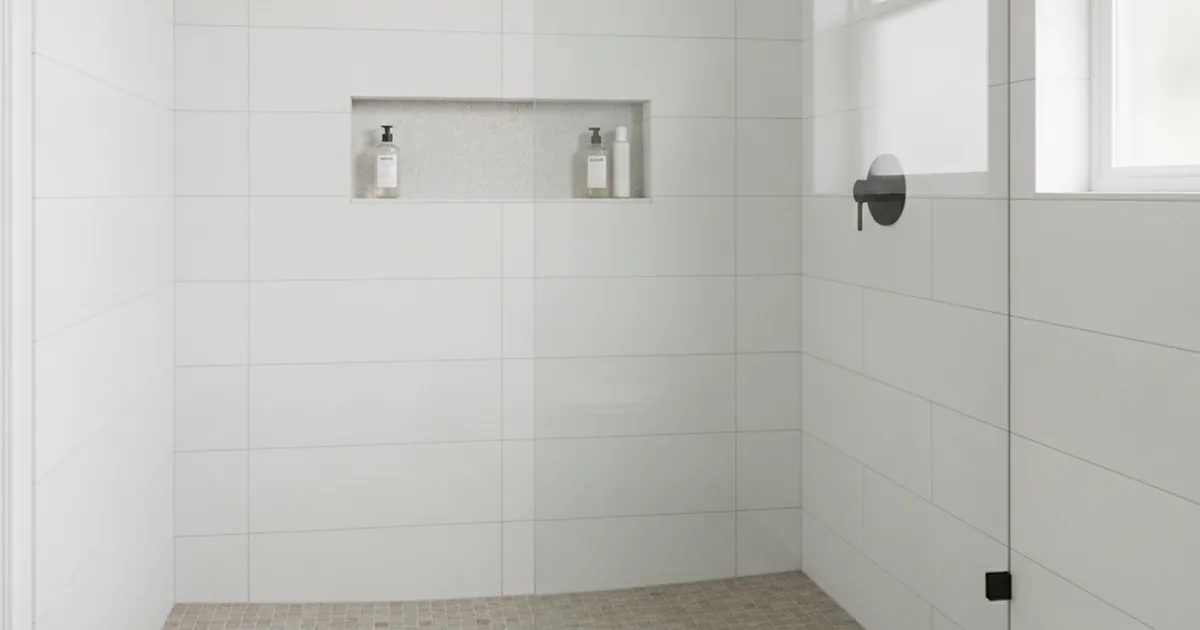
The cost of a tub-to-shower conversion in Gilbert depends mostly on the plumbing behind the tile: whether the drain has to be enlarged or moved through the slab, whether the valve is replaced, and how the shower is waterproofed. Tile, glass, size and a curbless entry set the rest of the budget.
That is why two quotes for the "same" shower can be far apart. One may include the drain and waterproofing work, and the other may leave it out.
Why the Plumbing Sets the Price
A bathtub and a shower drain differently. A tub drain is usually smaller and sits at one end of the tub. A shower needs a drain sized for a shower, in the right spot for the new floor slope.
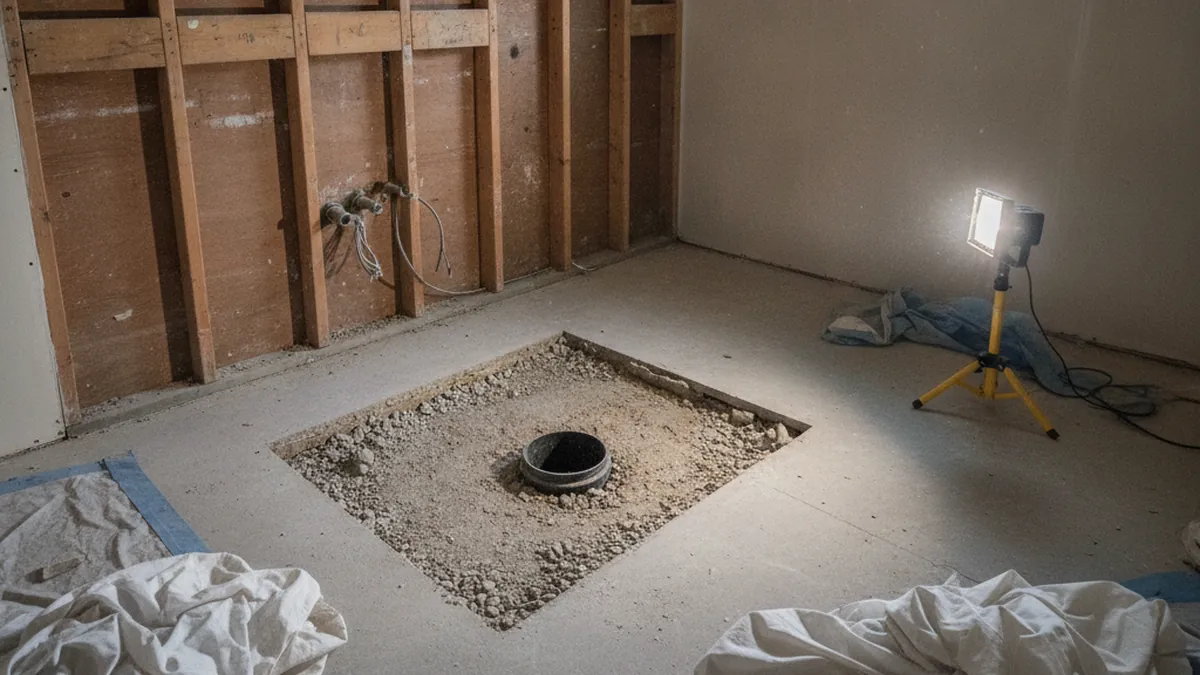
Most Gilbert homes are built on a concrete slab, so the tub drain runs through the floor. Changing it often means cutting and patching a section of slab. That is plumbing and concrete work, and it happens before any tile is chosen.
The plumbing items that move the number
- Drain size and location. Enlarging or moving the drain through the slab adds the most work.
- The shower valve. The old tub-shower valve sits in the wall you are opening. Replacing it now is common.
- Supply lines. Old galvanized or worn lines behind the tub are worth replacing while the wall is open.
- Hidden damage. Rot or signs of old leaks found behind the tub get fixed before anything new goes in.
Curb or Curbless
A standard shower has a low curb at the entry. A curbless shower has no step at all, which is easier to walk into.
Curbless costs more on a slab. The floor has to be recessed or sloped so water stays in the shower, which means more concrete work around the drain. It is often possible, but it should be checked before you commit to the design.
| Choice | What it adds |
|---|---|
| Standard low curb | The simpler build; a curb holds the water in |
| Curbless entry | Recessing or reshaping the slab, plus careful drain placement |
| Linear drain | A long drain at one edge, common with curbless and large tile |
| Center drain | A square drain in the middle; floor slopes from all sides |
Waterproofing Is Not Optional
A tub only needs to hold water in the tub. A shower gets the whole floor and the lower walls wet every day. That takes waterproofing a tub never needed.
The shower pan and walls are covered with a waterproof membrane, then water-tested before tile goes on. A shower that leaks behind the tile can do years of damage before anyone sees it.
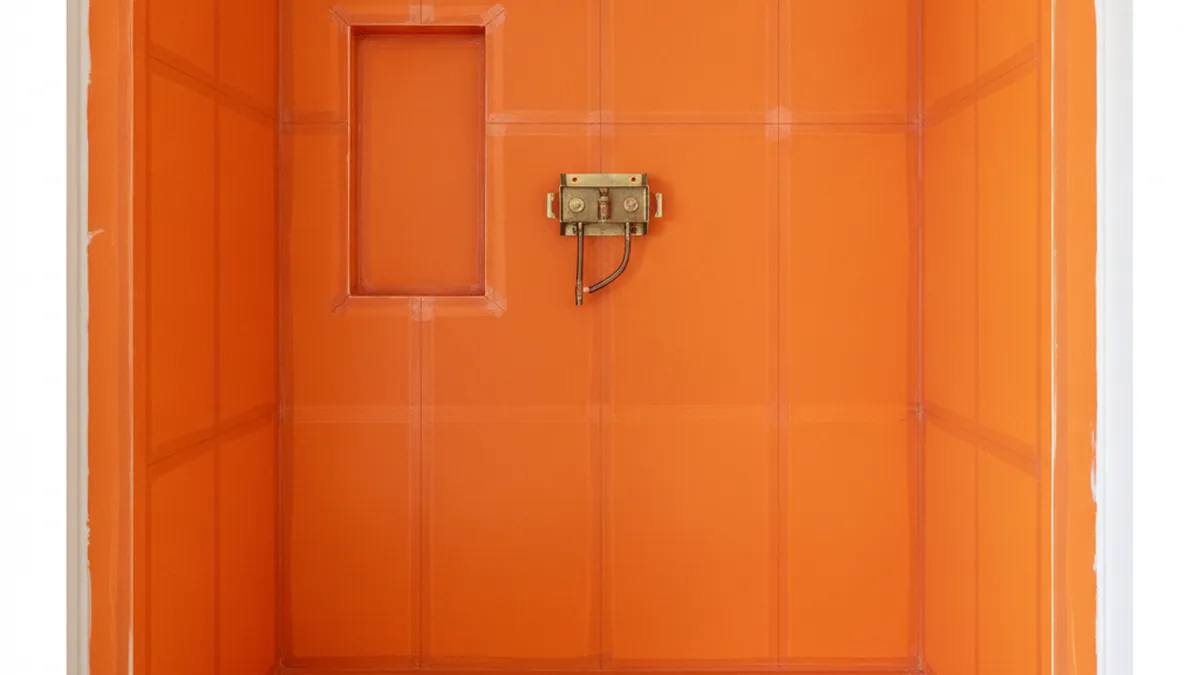
A quote that skips waterproofing, or doesn't say how it is done, is not a lower price for the same job. It is a different job.
Finishes, Size and Features
Once the plumbing is right, the finishes decide much of the budget.
- Tile. Larger tile, natural stone and detailed patterns take more material and labor.
- Glass. A frameless glass panel or door is usually a custom-measured item.
- Niches and benches. These change the framing and waterproofing, so they belong in the plan from the start.
- Shower size. A larger footprint means more pan, membrane and tile.
- Fixtures. The valve, shower head and trim range widely in cost.
Hard water is part of the fixture choice here. Gilbert's water leaves scale on shower heads, valves and glass, so finishes that are easy to clean and a plan for water treatment are worth discussing. If you want to save water, the EPA notes that WaterSense labeled showerheads use no more than 2.0 gallons per minute, compared with 2.5 for a standard showerhead.
What a Complete Quote Should Include
Before comparing prices, compare what each quote covers. A complete tub-to-shower quote lists:
- Tub removal and disposal, plus demolition of the old surround.
- Drain work. Whether the drain is enlarged, moved or both, and any slab cutting and patching.
- The shower valve. Make and type, installed and pressure-tested.
- Waterproofing. The method for the pan and walls, and a water test before tile.
- Tile, glass and trim, with an allowance or the exact selections written out.
- Repairs to hidden damage, or how they will be handled if found.
- Permit coordination when one is required for the plumbing scope.
We don't publish prices, because every bathroom and every design is different. Remodel projects need a site visit first so the scope can be assessed, and you get a clear, line-item estimate before anything is committed.
Questions to Ask Before You Hire
- Will the drain be resized or moved, and is slab work included?
- Is a new valve part of the quote, and will it be pressure-tested?
- How is the shower waterproofed, and is it water-tested before tile?
- Who handles the plumbing and who handles the tile?
- How will you handle anything you find behind the tub?
Renova is a licensed plumber and general contractor, so the drain, valve, waterproofing and finished tile come from one team. Learn more about our tub-to-shower conversions, or see the wider bathroom remodeling options.
Plan Your Shower With a Local Team
Remodel projects book out, sometimes several weeks, so reach out early, even if you're still planning. Renova Plumbing & Drain serves Gilbert and the East Valley. Call or text (602) 502-6843 or send us a message.