
Cast Iron Drain Replacement Across the East Valley
Renova Plumbing & Drain replaces corroded and cracked cast iron drain lines in pre-1980 East Valley homes with modern PVC or ABS pipe, after a camera inspection confirms the old pipe has actually failed.
- Licensed, bonded and insured
- Arizona ROC 36372 & ROC 35043
- 15+ years in the plumbing trade
- Owner-operated, local team
- Free visual estimates
What Customers Say
Cast iron was the standard drain pipe in homes built before about 1980. After decades of use, many of these drains rust from the inside, build up scale and crack along the bottom. Not every one needs replacing, though. Looking inside tells you whether yours is sound, worn or failing.
Cast iron is heavy, strong pipe, and it was built to last a long time. But decades of wastewater, hard water and heat wear it from the inside. Once it starts to fail, it tends to fail in more than one place.
When to Call About Cast Iron Drain Replacement
- Cast iron was the standard drain pipe for East Valley homes of that era, often running under the slab.
- Rust and scale build up inside cast iron, narrowing the pipe until water can barely get through.
- Rough, scaled pipe walls catch debris quickly, so clogs keep coming back in the same place.
- Cracks and holes in cast iron can let sewer gas into walls or up through floors.
- Visible cast iron at a cleanout or in the garage usually means the rest of the system matches.
- Rust weeping from joints or pipe walls is a sign the metal is thinning.
- Leaks from failing cast iron under the floor can show up as damp spots or loose flooring.
- Replacing cast iron while floors and walls are open costs far less than tearing out new finishes later.
Think your older home still has cast iron drains? Ask us about a camera inspection before you decide anything.
Office hours Mon–Fri, 8am–5:30pmTimeline and Cost
| Camera inspection | About an hourShows the pipe material and condition from the inside. |
|---|---|
| Section replacement | One to a few daysDepends on access and how much pipe has failed. |
| Full cast iron replacement | Scoped upfrontOften done in phases, room by room. |
| During a remodel | Planned into the buildScheduled while floors and walls are already open. |
Cast iron jobs range from one failed section to a whole-home replacement, so we don't publish prices. The camera inspection sets the scope, and you get a clear estimate before any work begins. These factors matter most.
| How much has failed | One cracked section costs far less than replacing every original line. |
|---|---|
| Under the slab or in walls | Pipe under concrete takes more work to reach than exposed pipe. |
| Number of fixtures | Each connected sink, tub and toilet adds a connection to rework. |
| Access and restoration | Opened tile, drywall, cabinets or concrete need putting back. |
| Remodel timing | Replacing during a remodel avoids opening finished surfaces twice. |
| Permits | Larger drain replacements often need one. Renova coordinates it for the plumbing scope. |
Cast Iron Drain Replacement: From the Job Site
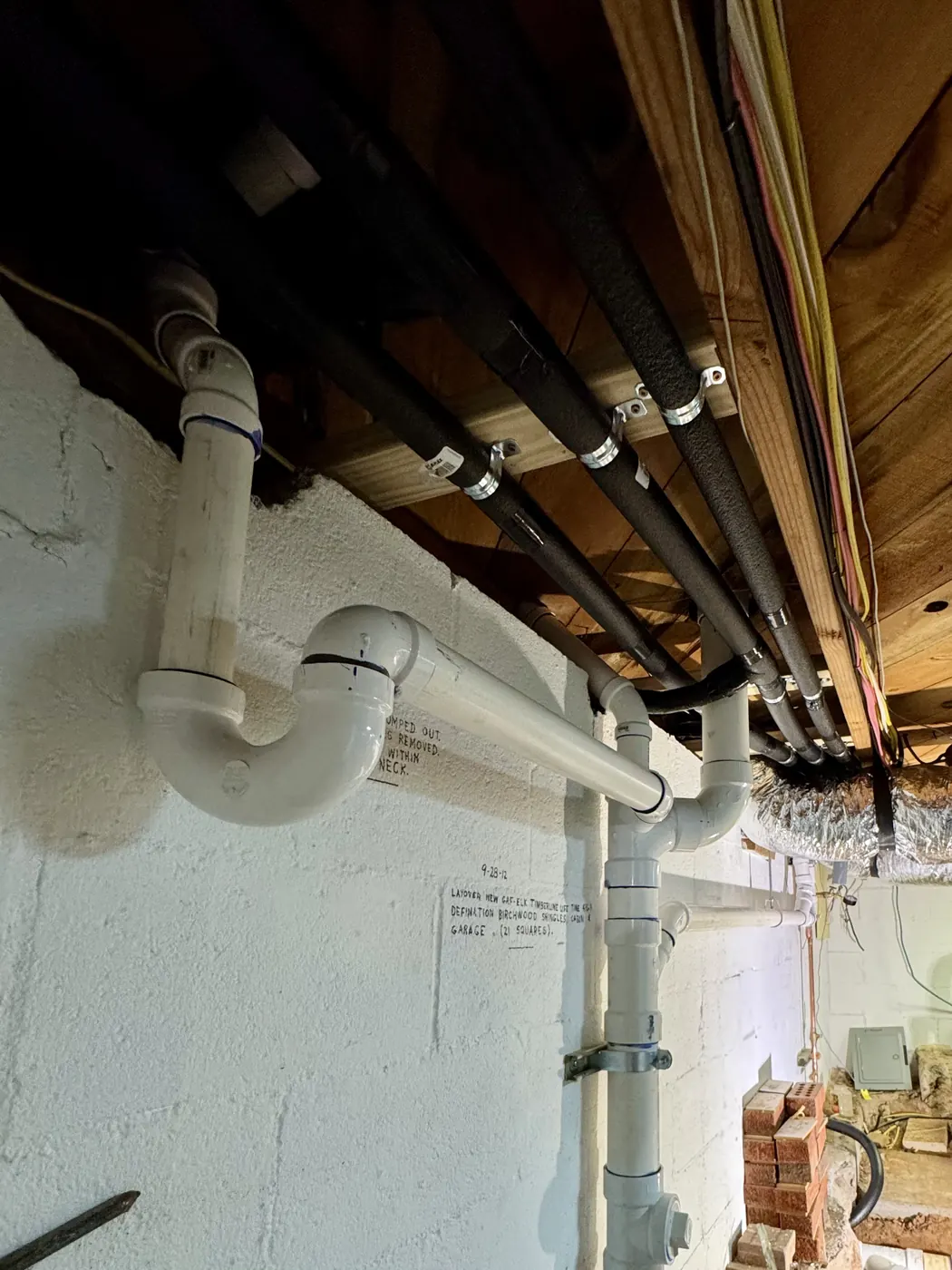
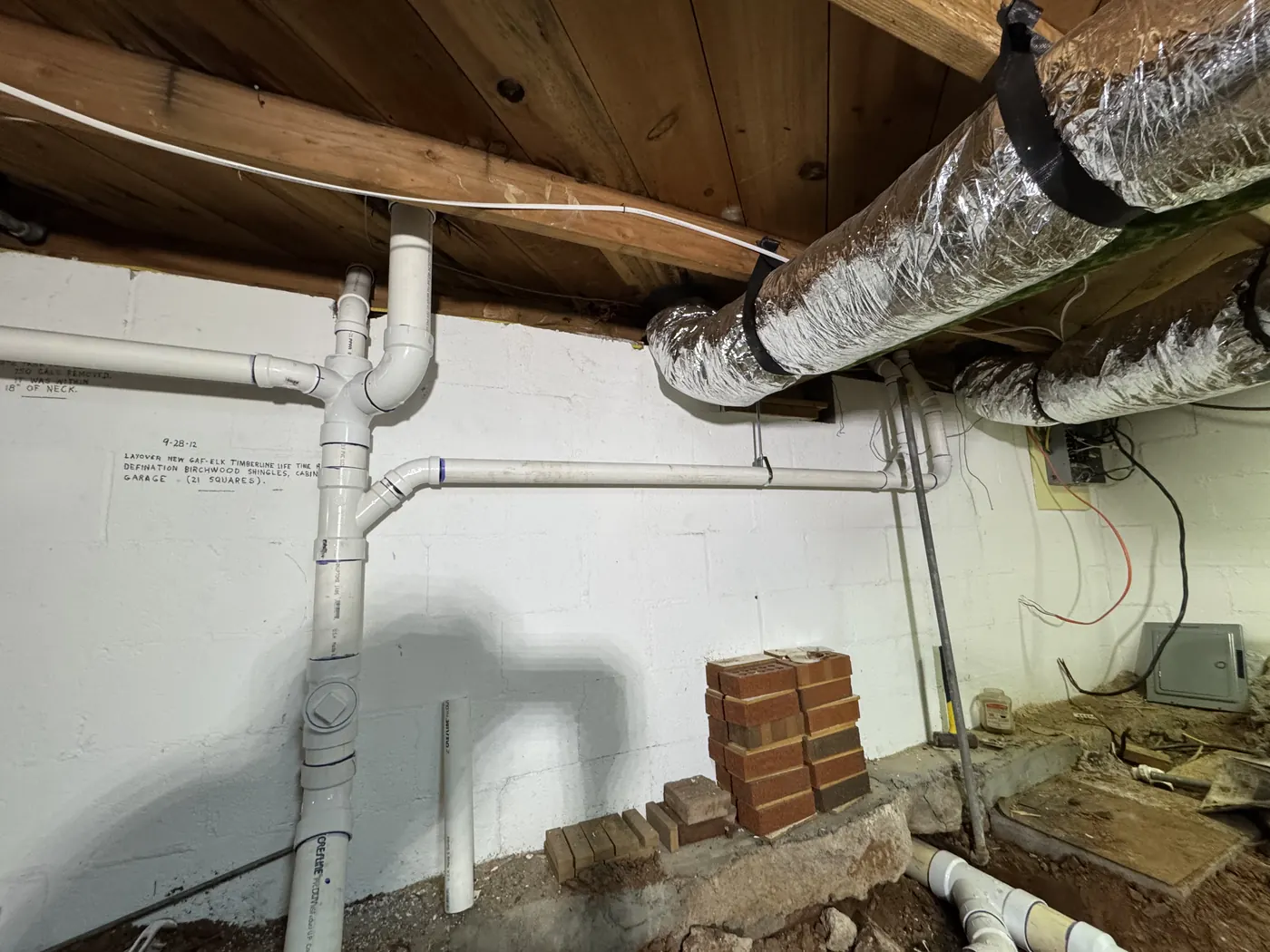
How Cast Iron Drain Replacement Works With Renova
Step 1: Confirm what you have
A camera inspection shows whether the lines are cast iron and how much of the system is still original.
Step 2: Judge the condition
We look for scale, cracks, holes and low spots, and show you the footage as we go.
Step 3: Recommend honestly
Sound cast iron can stay. Failing cast iron gets a clear repair or replacement plan, with the reasons explained.
Step 4: Replace with PVC or ABS
Failed sections are cut out and replaced with modern plastic pipe, joined to the rest with proper transition fittings.
Step 5: Test and restore
New lines are tested for flow and leaks before anything is closed, then walls and floors are put back.
Talk to Renova About Your Cast Iron Drain Replacement
Owner-operated and locally accountable, serving the East Valley. Free visual estimates; larger projects start with a site visit.
Why Homeowners Choose Renova
Camera before cutting
We confirm the pipe is failing before recommending replacement.
Sound pipe stays
Not all old cast iron is bad. If yours is holding up, we say so.
Modern replacement pipe
PVC or ABS drain pipe resists the rust and scale that wear out cast iron.
Built for older homes
We know how pre-1980 East Valley drain systems are laid out and how they fail.
Licensed, bonded and insured
Work completed to code and ready for inspection, with permits coordinated when required.
15+ years in the trade
Owner Luke Williams' experience shapes an honest read on what the camera footage shows.
Cast Iron Drain Replacement in the East Valley
Cast iron drains are most common in the East Valley's older neighborhoods: north and central Tempe, South Scottsdale, west and central Mesa, and north Chandler. Many of these 1950s to 1970s homes sit on a slab, so the cast iron runs under the floor.
Wastewater slowly wears a groove along the bottom of cast iron pipe, a problem called channel rot. Hard water adds scale on top. Neither shows from inside the house until drains slow down, smell or leak.
Older homes in the East Valley often have plumbing conditions that only show up once walls are opened. We'll tell you what's there, what it means, and what the real options are.
Cast Iron Drain Replacement by City
Common Questions
- How long does cast iron drain pipe last?
- Cast iron can last many decades, but its life depends on use, water chemistry and how it was installed. In East Valley homes built before about 1980, many lines are now worn by rust and scale. Age alone doesn't mean replacement. A camera inspection shows whether a specific line is still sound.
- Should I replace cast iron drains before remodeling an older home?
- It is worth inspecting them first, because replacing failing cast iron while floors are open costs much less than doing it after new tile is down. If the camera shows the pipe is sound, it can stay. Replace what the footage shows is failing, not everything by default.
- What replaces cast iron drain pipe?
- Most cast iron drains are replaced with PVC or ABS, the plastic drain pipes used in modern homes. They don't rust, and scale has a harder time sticking to their smooth walls. Proper transition fittings join the new pipe to any cast iron that is staying in place.
Frequently Asked Questions
Not necessarily. Cast iron often fails in some places before others. The camera shows which runs are cracked, scaled or holed and which are still holding up. We replace what has failed and tell you plainly about any sections worth watching, so you can plan without being pushed.
Homes built before about 1980 in the East Valley very often do. You may see heavy black pipe at a cleanout, under a sink or in the garage. The surest way to know is a camera inspection, which shows the pipe material and condition from the inside without opening anything.
Channel rot is when wastewater wears a groove along the bottom of a cast iron pipe over many years. The top of the pipe can look fine while the bottom thins, cracks or opens up. It is hard to spot from outside, which is why a camera inspection matters.
Sometimes a single cracked or holed section can be cut out and replaced with PVC or ABS, leaving the rest in place. That makes sense when the remaining pipe is in good shape. When the footage shows wear throughout the run, replacing the whole run is usually the better use of your money.
It depends on where the pipe runs. Exposed pipe is fairly simple, while pipe inside walls or under the slab means opening those areas. We plan access before starting, keep openings as small as the job allows, protect the rest of the home, and explain how walls and floors will be restored.
Larger drain replacements often need a permit, and your city sets the rules. Check with Gilbert, Chandler, Mesa, Queen Creek, Tempe or Scottsdale for your specific project. When a permit is required for the plumbing scope, Renova coordinates it and completes the work to code and ready for inspection.
Ready to Talk About Your Cast Iron Drain Replacement?
Tell us what's going on. You'll hear back from our local team, not a call center, and you'll get a straight answer about what your home needs. Serving the East Valley, from Gilbert to Scottsdale.
Texting works well, especially during the workday.