A broken drain pipe under a concrete slab is fixed in one of three ways: cut a small opening in the floor above the break, tunnel under the house from outside, or reroute the line so the broken section is left behind. The right choice depends on where the break is, what sits on top of it and how much of the old pipe is still sound.
None of those decisions should be made before the line is filmed and the damage is located. Once you know the exact spot and depth, the choice is usually clear.
Why East Valley Drains Run Under the Slab
Most homes in Gilbert, Chandler, Mesa, Tempe, Queen Creek and Scottsdale are built slab-on-grade. The house sits on concrete poured over the ground, so the drain lines from your toilets, tubs, showers and sinks run through the soil beneath the floor.
That works well for decades. The trouble is reaching a pipe once something goes wrong. There is no crawlspace to climb into, so every repair starts with a question of access.
The age of the house matters too:
- Homes built before about 1980 often still have original cast iron under the floor. Cast iron corrodes from the inside and can crack or split along its length.
- Newer homes usually have PVC or ABS plastic drains. These don't rust, but joints can separate and pipes can sag if the soil under them settles.
- Remodeled homes may have a mix of both, joined somewhere under the floor.
Signs the Drain Under Your Slab Has Failed
A broken drain under the slab rarely announces itself with a flood. The signs are slower and easy to blame on something else.
- Several drains slow or back up together. When a toilet, tub and sink all struggle at once, the problem is often in a shared line under the floor.
- Clogs keep coming back in the same spot. A sag or break catches waste every time, so clearing the line only buys a few weeks.
- Gurgling from floor-level fixtures. Toilets and showers sit closest to the slab and often gurgle first.
- A sewer smell near the floor. A broken pipe can let sewer gas rise through cracks, gaps around a tub or the base of a wall.
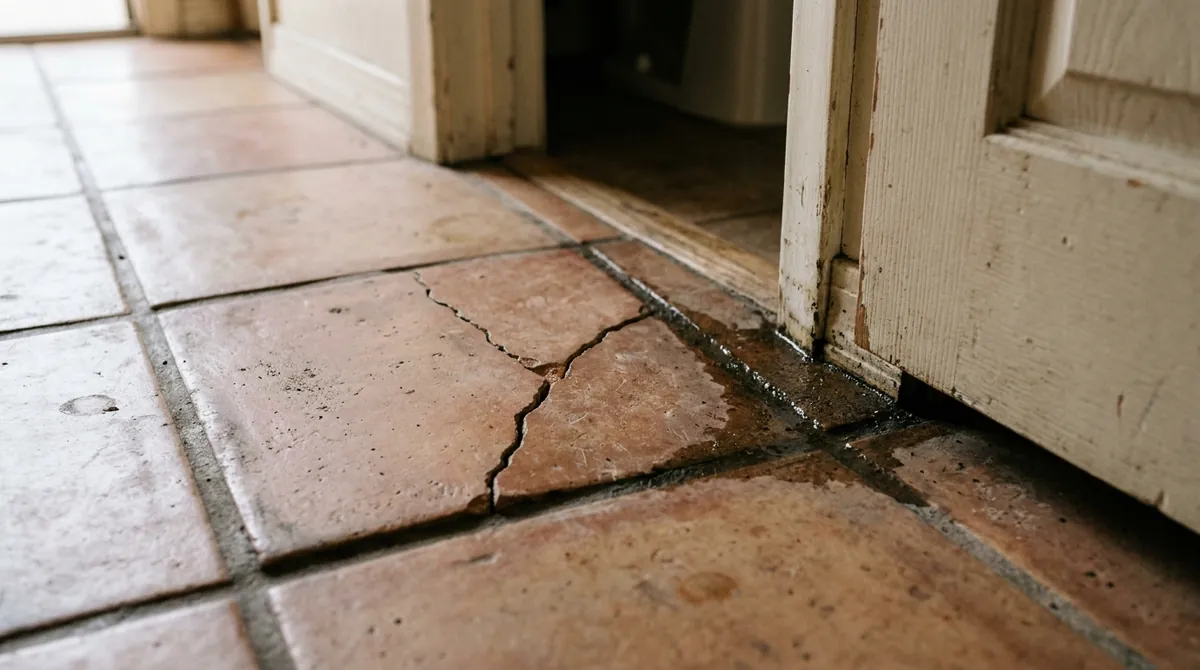
- Damp spots, lifting flooring or new tile cracks. Water leaking from a drain can wash out soil, and the slab above can settle.
These signs can also point to a supply-side leak or a simple clog. That is why the next step is a camera, not a jackhammer.
Step One: Find the Break Before Choosing a Fix
Every good under-slab repair starts with a sewer camera inspection and line locating. A camera travels through the drain from a cleanout or a pulled toilet and records the inside of the pipe. A locator above the floor picks up the camera head, so the exact spot and its depth can be marked on the surface.
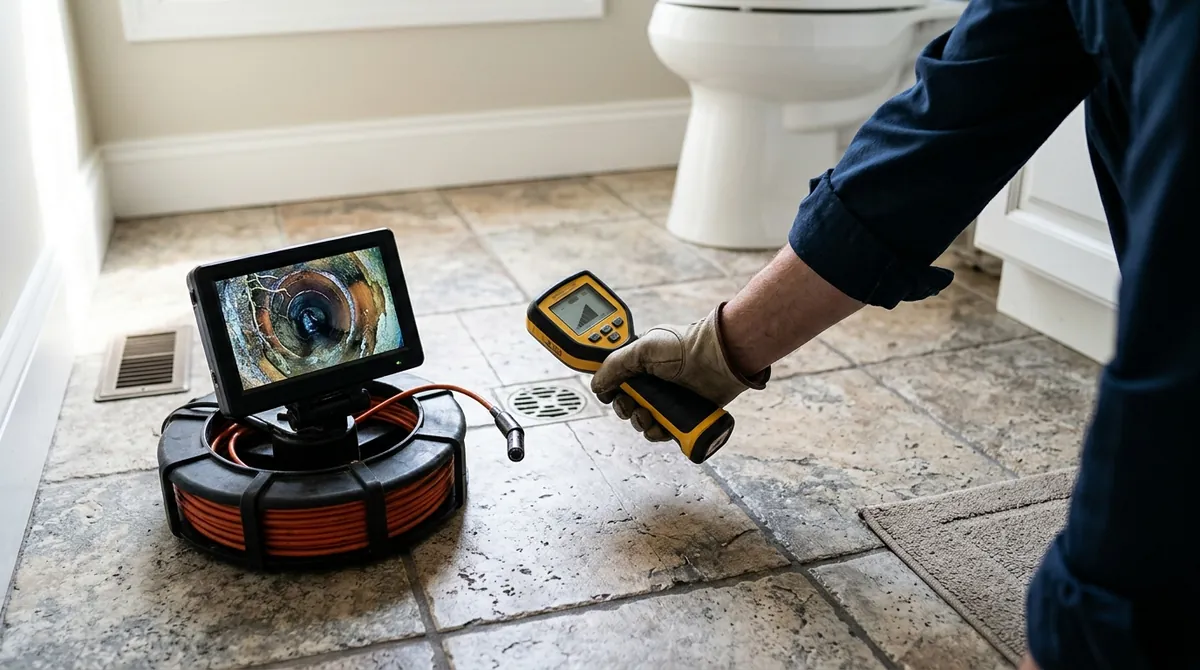
The footage answers the questions that decide the access method:
- Is it one broken section, or is the pipe failing along its length?
- How far is the break from an outside wall?
- Is it under a closet, a hallway, a kitchen island or a finished shower?
- Is the pipe cast iron, plastic or a mix?
At Renova, you watch the footage with us. We explain what it shows in plain language before anyone talks about cutting concrete.
Option 1: Cut the Slab Above the Break
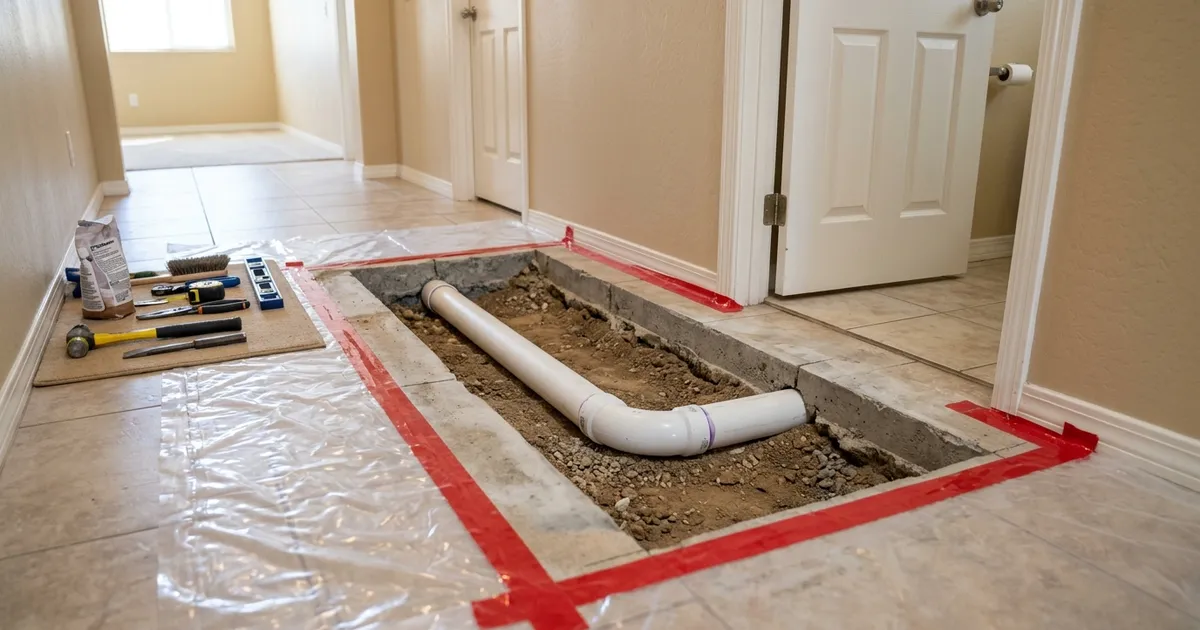
This is the most direct route. A section of floor is saw-cut over the damaged pipe, the soil is dug out, the broken section is replaced and the trench is backfilled and patched with new concrete.
When it fits best:
- The break is in one spot, and the camera shows the rest of the line is sound.
- The spot is under flooring that is easy to lift or replace, such as a closet, laundry or hallway.
- A remodel is already taking up the floor. If the bathroom floor is coming up anyway, it is the least disruptive time to replace the drain below it.
What to plan for:
- Dust and noise inside the house while the slab is cut.
- Matching or replacing the floor finish over the patch.
- Furniture and cabinets moved out of the work area.
Because the camera marks the spot first, the opening only needs to be as large as the repair.
Option 2: Tunnel Under the House From Outside
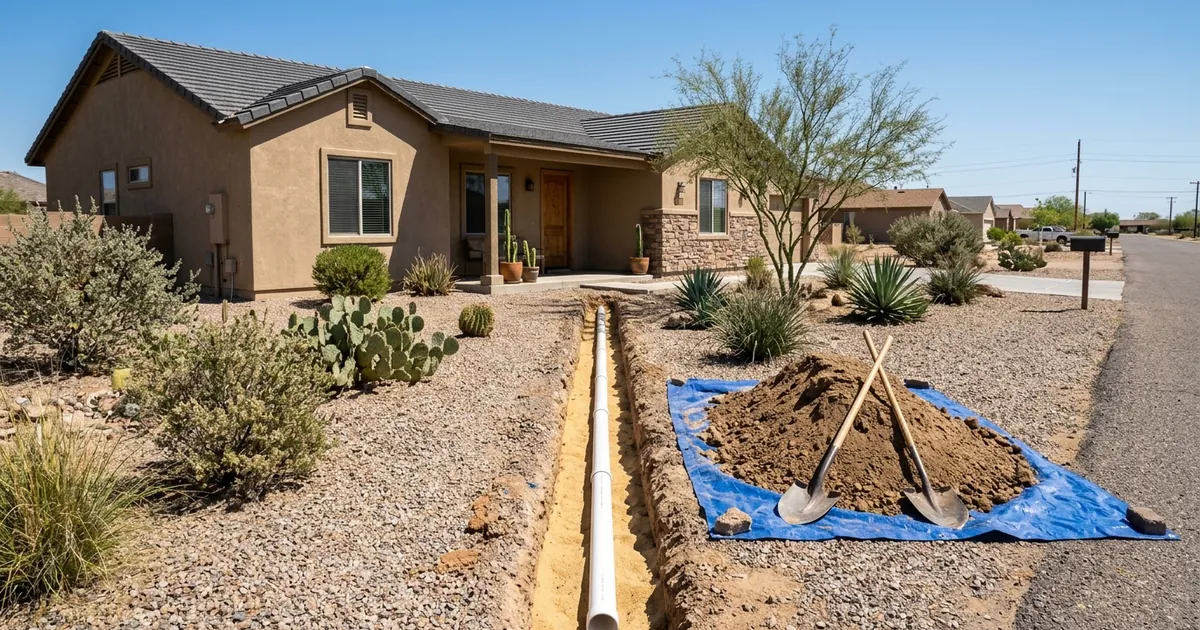
Tunneling reaches the pipe from the yard. A pit is dug beside the foundation, and a tunnel is hand-dug beneath the slab to the damaged section. The pipe is replaced from below, and the tunnel is backfilled and compacted.
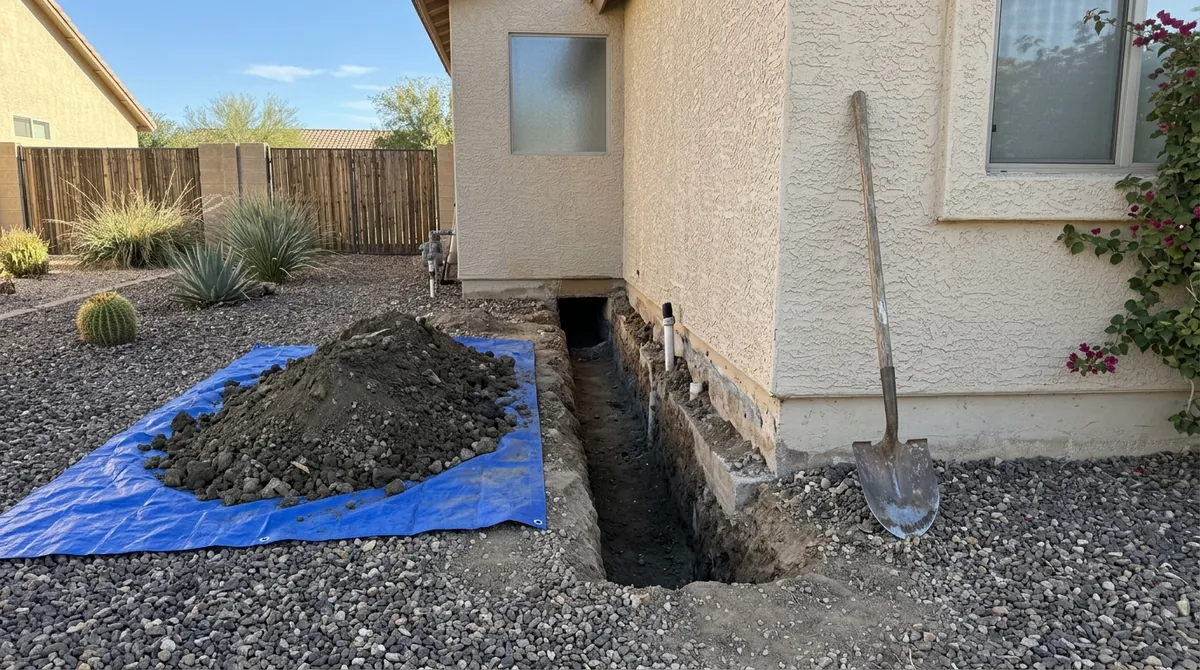
When it fits best:
- The break sits under finished tile, stone or a kitchen you don't want opened.
- The damaged section is close enough to an outside wall to reach.
- You need to keep living in the house without work inside it.
What to plan for:
- More digging, so it often takes longer than a slab cut.
- Landscaping, gravel or pavers outside that need to be lifted and restored.
- Soil conditions. Caliche and hard ground, common across the Valley, can slow tunneling.
Option 3: Reroute the Line
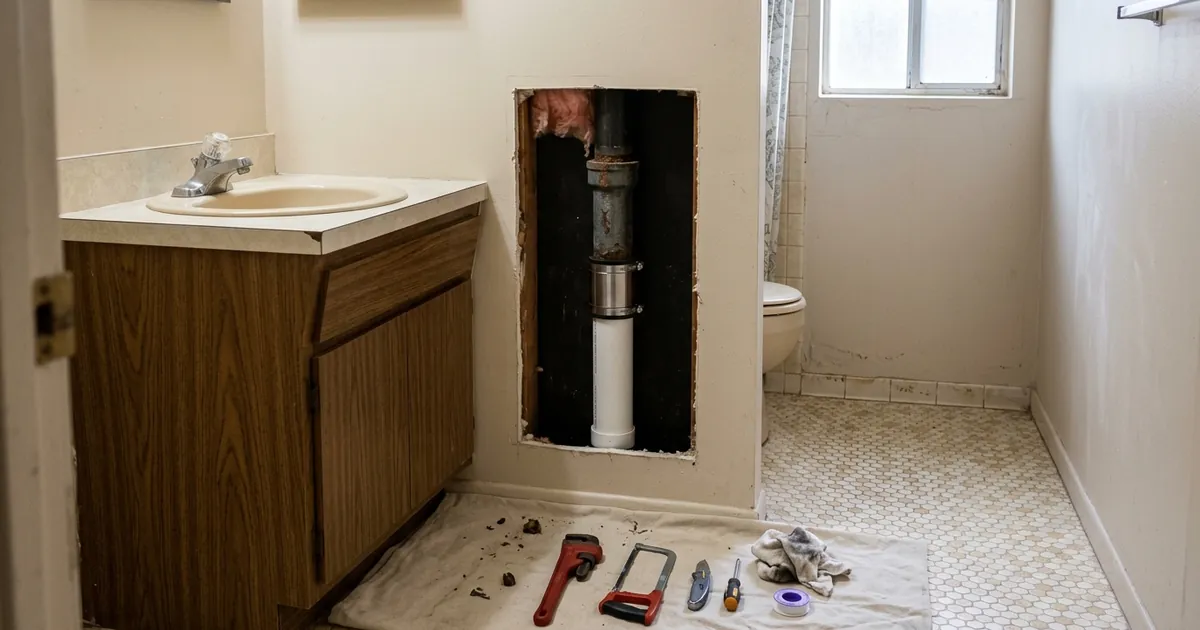
Sometimes the best fix is to leave the broken pipe where it is. A new drain line is run along a different path, through a wall, along the outside of the house or through a new short trench, and connected past the damage.
When it fits best:
- The old line is failing in several places, so fixing one spot would only move the problem.
- The original route runs under the most expensive finishes in the house.
- There is a practical path to tie the fixtures into the main line another way.
What to plan for:
- Rerouting depends on the layout. Drains need a steady downhill slope, so not every path works.
- Some wall or exterior work to hide the new line.
- A clear plan for capping or abandoning the old pipe.
Comparing the Three Options
| Cut the slab | Tunnel | Reroute | |
|---|---|---|---|
| Access | From inside, above the break | From outside, under the slab | Around the problem |
| Inside disruption | Highest | Lowest | Low to moderate |
| Outside disruption | Little | Most | Varies |
| Best for | One break under easy flooring | One break under finished floors | Several weak spots or a poor route |
| Main tradeoff | Floor repair | More digging | Depends on layout and slope |
What Moves the Cost
We don't publish prices, because under-slab work depends on what the camera finds. After the line is located, you get a clear estimate and access plan before any concrete is cut. These are the factors that move the number most:
- Where the damage is. A closet is simpler to reach than a kitchen or finished shower.
- The access method. Cutting, tunneling and rerouting carry different labor.
- How much pipe is replaced. One short section is far less work than a long run.
- Pipe material. Old cast iron may need more replaced than plastic lines.
- Floor and yard restoration. Tile, wood, stone or pavers above the repair add work.
- Permits. Under-slab drain work often needs one. Renova coordinates the permit for the plumbing scope when it's required. Check with your city for its own rules.
It's also worth checking your homeowners policy before a backup happens. The Insurance Information Institute notes that sewer backup coverage "is available from most providers for a nominal cost," so ask your agent whether you have it.
Questions to Ask Any Plumber
Before you agree to an under-slab repair, these questions help you compare quotes fairly:
- Can I see the camera footage, and where exactly is the break?
- Which access method do you recommend for my house, and why not the other two?
- How much pipe are you replacing, and what condition is the rest of the line in?
- Will the new pipe be tested before the trench is backfilled?
- Who restores the floor or yard, and to what finish?
A plumber who only offers one method without explaining the others may be fitting your house to their usual job.
Common Questions
Will my whole floor have to come up? Usually not. Once the camera marks the break, a slab cut is only as large as the repair needs. In some homes, tunneling or rerouting avoids opening interior floors at all. You should hear the options before anything is cut.
Is a broken drain under the slab the same as a slab leak? Not quite. A slab leak often means a pressurized water supply line under the floor. A broken drain carries waste and isn't under pressure, so the signs are slower: repeat clogs, gurgling and odors more than a running water meter.
Can I wait and keep clearing the clog? Clearing the line helps for a while, but the break stays. Water and waste leaking from a broken drain can wash out the soil under the slab over time, so it's worth locating the damage sooner rather than later.
Get the Break Located First
If you have repeat backups, gurgling floor drains or a sewer smell near the floor, start by finding out what is actually under your slab. Our under-slab drain replacement page explains how we locate, access and restore. In an older home with original pipe, see cast iron drain replacement too.
Renova Plumbing & Drain serves Gilbert, Chandler, Mesa, Queen Creek, Tempe and Scottsdale. Call or text (602) 502-6843 or send us a message.