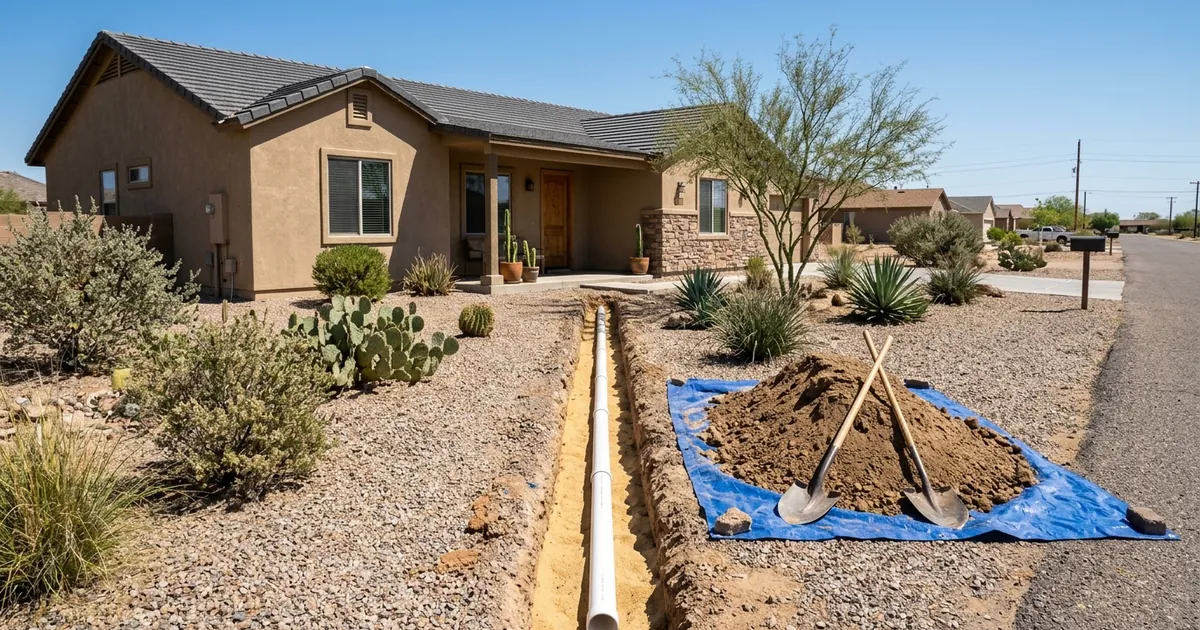
Drain line replacement cost depends on four things more than anything else: how much of the pipe has actually failed, where that pipe runs, what it is made of, and what has to be opened up and put back to reach it. A short section under a sink and a full drain system under a slab are different jobs with very different prices.
That is why we don't publish a price list. What we can do is show you what moves the number, so a quote makes sense when you get one. This guide covers East Valley homes in Gilbert, Chandler, Mesa, Queen Creek, Tempe and Scottsdale.
Why One Price Doesn't Fit Every Drain
A drain line is any pipe carrying water away from a sink, tub, shower, toilet or washer to the main sewer line. Some are a few feet long and sit behind a cabinet door. Others run the length of the house under the concrete floor.
So "drain line replacement" can mean swapping a cracked trap arm in an afternoon, or replacing every branch line in a 1960s Tempe ranch home. Online price ranges average all of those together, which is why they rarely match a real quote.
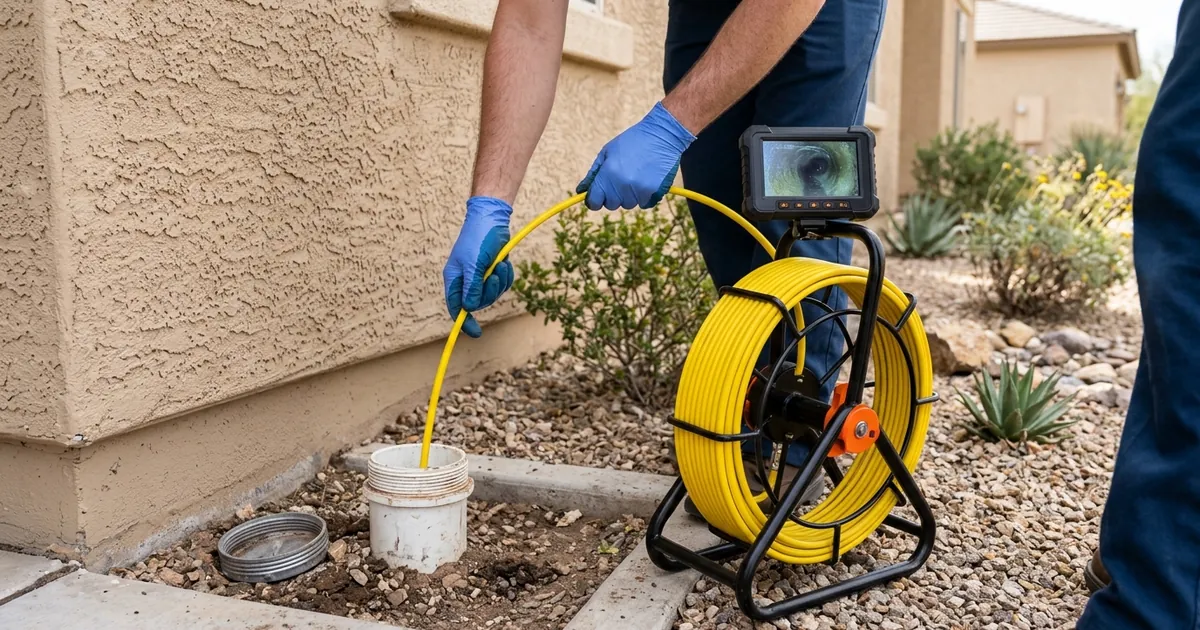
The honest starting point is a camera inspection. It shows which section failed and how long the damaged run is, and that sets the scope everything else is priced on.
1. How Much of the Line Has Failed
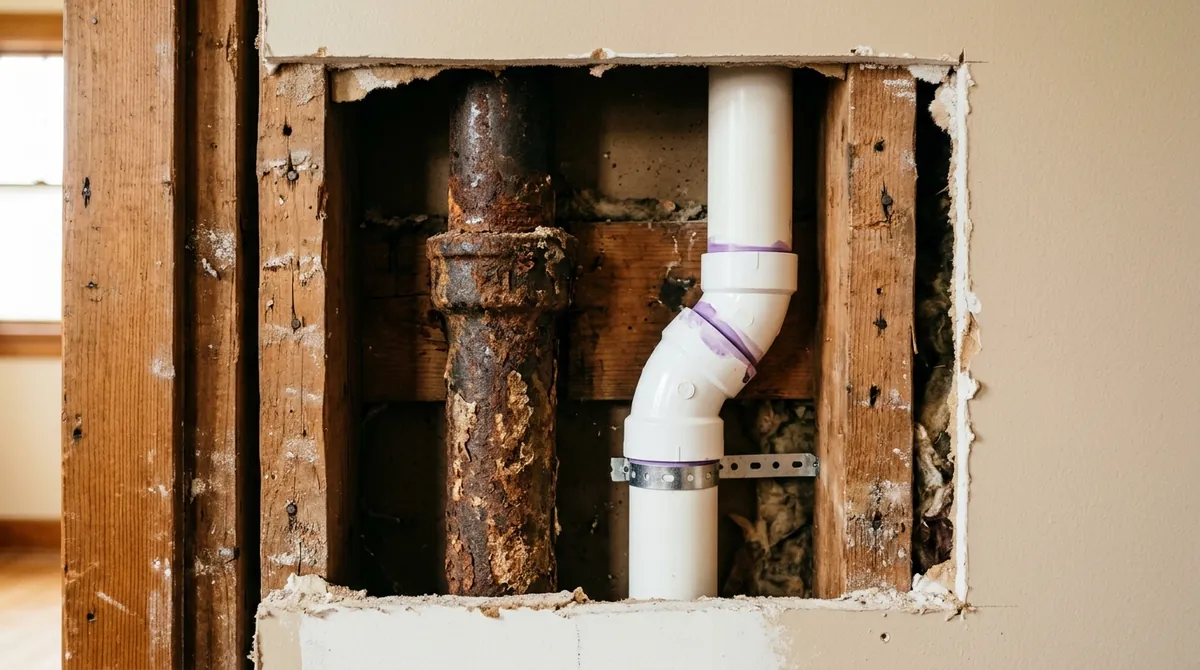
This is the biggest factor. If the camera shows one cracked or sagging section and the rest of the pipe is sound, replacing that section is usually the right call, and it costs far less than a full run.
When the footage shows the pipe failing along its length, with long cracks, heavy scale or corrosion every few feet, patching one spot rarely holds. Replacing the whole branch ends the cycle of clogs, and it is cheaper than paying for repeat repairs.
We'll show you what we find and tell you plainly which case you are in. If a short repair will last, you hear that first.
2. Where the Pipe Runs
Access drives labor, and labor is most of the cost of drain work. Roughly from easiest to hardest:
- Under a sink or behind an access panel. Open, reachable pipe is the quickest to replace.
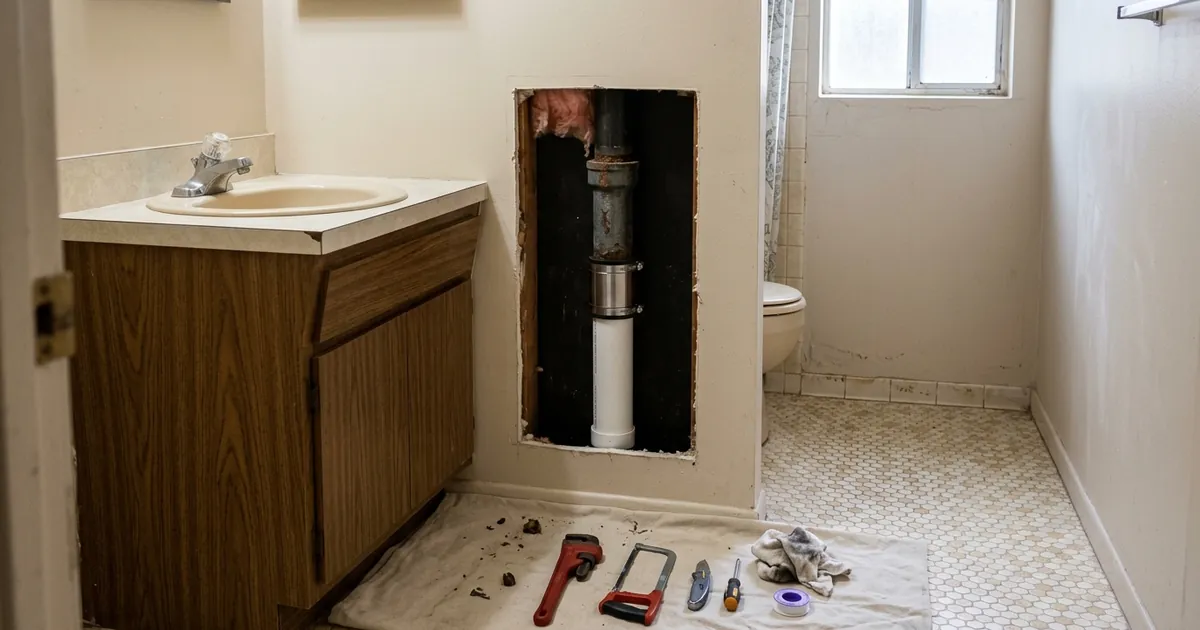
- Inside a wall. Drywall has to be cut open, and tile or cabinets in the way add time.
- In the attic or a crawlspace. Less common in the East Valley, but slower to work in.
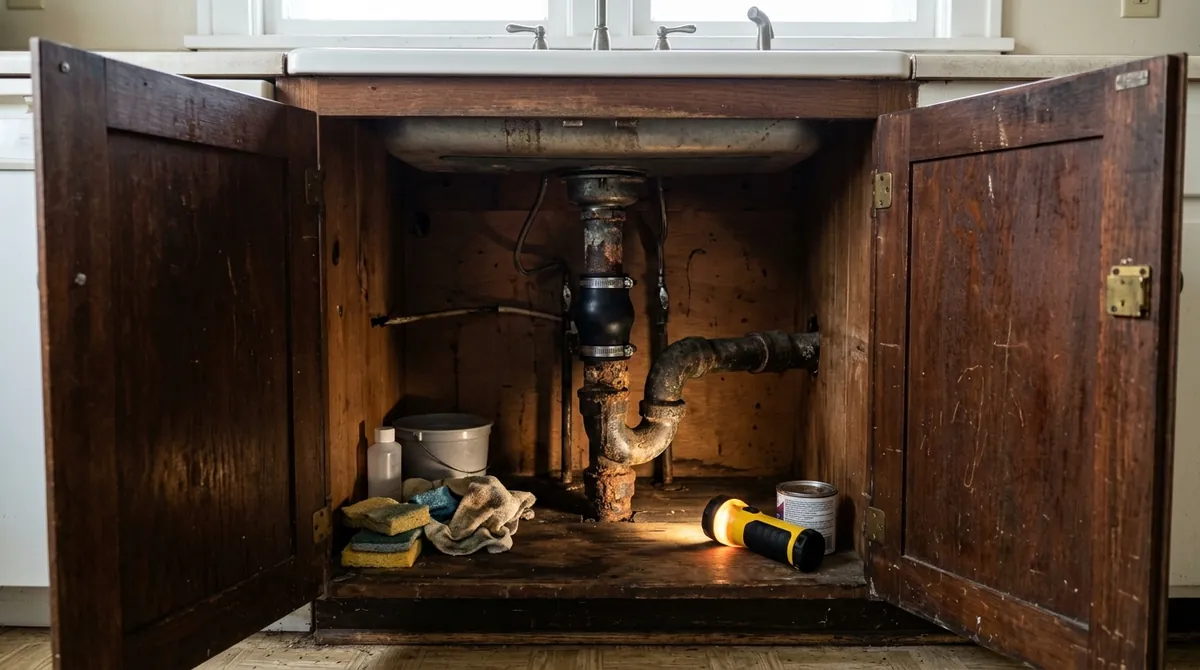
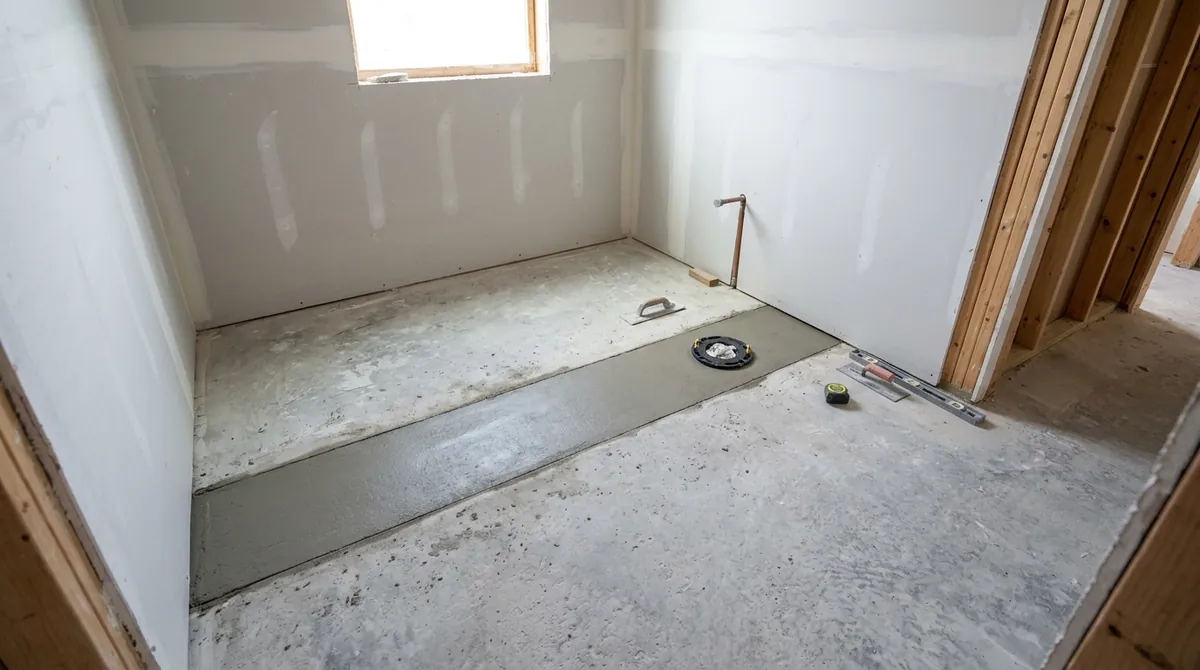
- Under the concrete slab. Most East Valley homes are slab-on-grade, so the main drain lines run under the floor. Reaching them means cutting concrete or choosing another route.
Under-slab work has its own options and trade-offs. Our guide to a broken drain under the slab explains cutting, tunneling and rerouting, and how each changes the job.
3. What the Old Pipe Is Made Of
Newer homes in Gilbert, Queen Creek and south Chandler usually have PVC or ABS plastic drains from the 1990s on. Replacing a section of plastic pipe is straightforward, because the new pipe joins the old with standard fittings.
Homes built before about 1980, common in Tempe, west Mesa, north Chandler and South Scottsdale, often still have original cast iron. Cast iron is heavy, takes more cutting, and needs transition fittings where new plastic meets the old pipe. Scale from East Valley hard water also builds up inside it over the years.
If your home has cast iron, read partial or full cast iron drain replacement before you decide how much to replace.
4. What Has to Be Opened and Put Back
The pipe is often the smaller part of the bill. The rest is reaching it and restoring the room afterwards:
- Drywall patched, textured and ready for paint
- Tile or flooring lifted and relaid
- Cabinets or a vanity pulled and reset
- Concrete cut, removed and poured back
Ask every contractor whether their price includes putting things back, and to what finish. One quote may stop at the pipe while another includes the drywall and the concrete. Those two numbers are not comparable.
5. How Many Fixtures Connect to It
A branch line that serves one sink has one connection to rework. A line that carries a toilet, tub, shower and two sinks has several, each one fitted, aligned and tested. More fixtures on the run means more connections and more time.
6. Permits and Inspection
Larger drain replacements often need a permit and an inspection before walls or floors close. The rules differ by city, so check with yours. Renova coordinates permits for the plumbing scope when they are required, and that time is part of the schedule and the quote.
7. Whether a Remodel Is Already Planned
If you are remodeling a kitchen or bathroom, the walls and floor are coming open anyway. Replacing old drains at that stage costs much less than opening a finished room later. That is the idea behind our older-home bathroom remodels, which start with the drains under the floor.
How to Compare Drain Line Quotes
Two quotes for "drain line replacement" can describe very different jobs. The Arizona Attorney General's office advises homeowners to "Get multiple estimates on any home repair job before signing a contract" and to "Compare bids and services and get bids in writing" (Arizona Attorney General, home improvement tips).
To compare fairly, check each quote for:
- The length and location of pipe being replaced. A section, a branch, or the full system.
- The new pipe material. Most replacements today use PVC or ABS.
- What restoration is included. Drywall, tile, cabinets and concrete, and to what finish.
- Testing. Whether new joints are tested for flow and leaks before anything is closed.
- Permits. Who pulls them and whether the inspection is included.
- The footage. Whether you get to see the camera video the scope is based on.
As Luke puts it: "On a larger project, the plumber who shows up on time and communicates clearly is worth more than the cheapest bid."
Ways to Keep the Cost Down
- Inspect before you replace. A camera inspection often shows a shorter repair is enough.
- Fix it before it fails. A planned replacement costs less than cleaning up after a leak in a wall or under the floor.
- Combine work. If a remodel is coming, replace the drains while the room is open.
- Skip the chemicals. Chemical drain cleaner rarely fixes a damaged pipe. Find and treat the actual cause instead.
Common Questions
Is it cheaper to repair or replace a drain line? A short repair is cheaper when the damage is limited to one section and the rest of the pipe is sound. When the line is failing along its length, repeated repairs usually cost more over time than one replacement. A camera inspection shows which case you are in before you spend anything on the pipe.
Does a free estimate cover drain line work? Renova offers free visual estimates. If diagnosing the problem needs a camera, testing or disassembly, a diagnostic fee may apply. Larger jobs need a site visit so the scope can be assessed, and you get a clear number before any work begins.
How long does drain line replacement take? A short section is often a single visit. A full branch line takes one to a few days, and longer if it runs under the slab. Whole-home drain replacement is scoped upfront and scheduled in phases, so you know the timeline before work starts.
Get a Clear Scope Before You Decide
The fastest way to an accurate price is to see inside the pipe. Our drain line replacement service starts with a camera inspection, shows you the footage, and replaces only what has failed. If you need the footage first, see sewer camera inspection and locating.
Renova Plumbing & Drain serves Gilbert, Chandler, Mesa, Queen Creek, Tempe and Scottsdale. Call or text (602) 502-6843 or send us a message.