A main sewer line replacement follows the same path on most homes: a camera inspection and locating, a written scope and estimate, opening the ground to reach the pipe, laying the new line at the right slope, testing it on camera, the city inspection, and backfilling the yard. The work itself typically takes one to several days.
If you have been told your main line needs replacing, this guide walks through each stage so you know what is happening in your yard and why. It is written for homeowners in Gilbert, Chandler, Mesa, Queen Creek, Tempe and Scottsdale.
What the Main Sewer Line Is
Every drain in your house, from the toilets to the kitchen sink, empties into one pipe. That main sewer line runs from the house, under the yard, to the city sewer connection near the street.
When it is cracked, collapsed, root-filled or sagging along much of its length, the whole house feels it. Several drains back up at once, clogs return after clearing, or sewage comes up at the lowest drain. Patching one spot rarely holds on a line in that condition.
Roots and cracks are the usual culprits. The U.S. Environmental Protection Agency notes that "Tree roots entering through defects or openings in a sewer line may cause blockages" (EPA, sanitary sewer overflow questions). In older East Valley neighborhoods, original cast iron or clay pipe gives roots plenty of openings.
Step 1: Camera Inspection and Locating
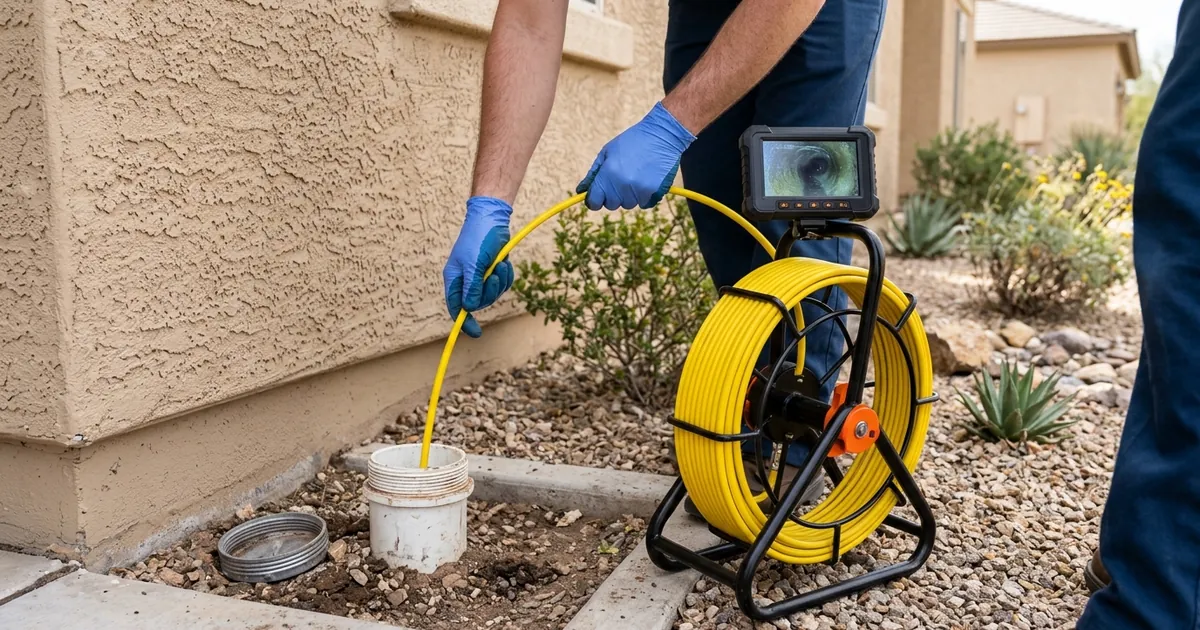
The job starts with seeing inside the pipe. A sewer camera goes into the line through a cleanout and records the pipe material, the damage and exactly where it sits. A locator then traces the line's path and depth from above ground.
This step decides whether you need a replacement at all. If the damage is in one section and the rest of the pipe is sound, a sewer line repair may be the better choice. Our guide to sewer line repair or replacement covers how that call gets made.
Inspection and locating usually take about an hour, and you watch the footage with us.
Step 2: The Scope and Estimate
Once the camera has shown the problem, you get a clear, line-item scope and estimate before anything is committed. The things that move the number most are:
- Length of the line. A longer run from the house to the street means more pipe and more digging.
- Depth. Deeper pipe takes more excavation and more care to support the trench.
- What sits above it. Concrete, pavers, a driveway or mature trees add work.
- The city connection. The condition of the old tie-in affects how the new line connects.
- The method. We explain which replacement methods suit your pipe, soil and layout.
Ask to see where the line runs and where the ground will be opened. A good scope shows you that before the first shovel goes in.
Step 3: Permits and Scheduling
Sewer line replacement often needs a permit and an inspection before the trench is closed. Rules differ from city to city, so check with yours. Renova coordinates the permit for the plumbing scope when one is required.
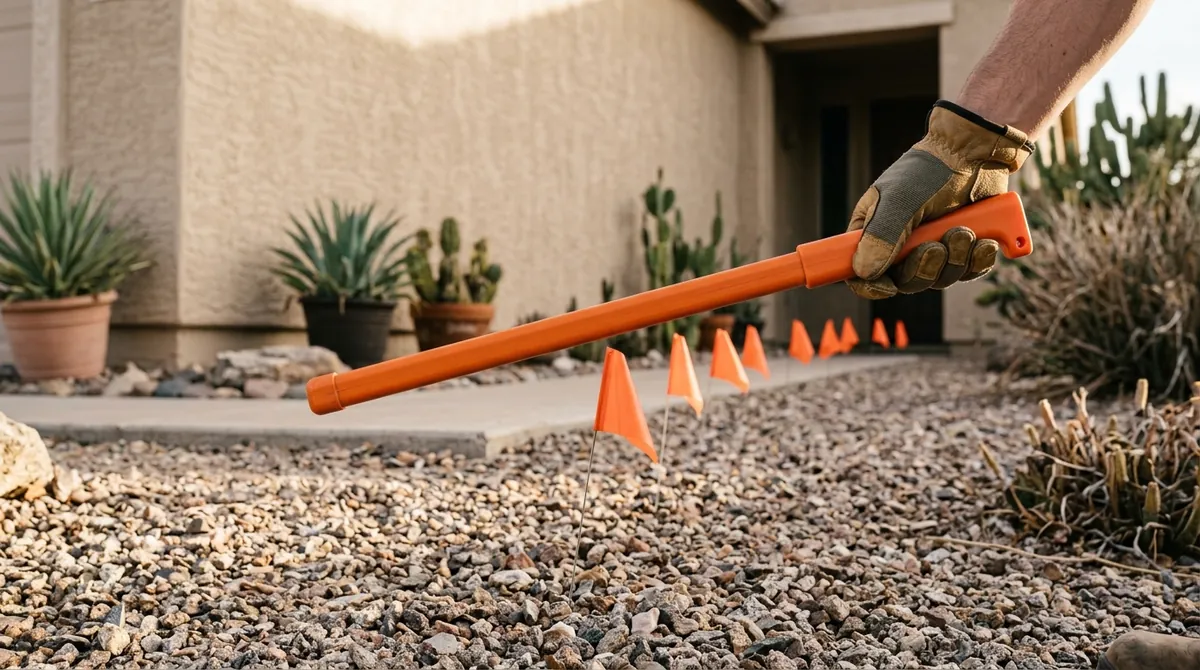
Before work starts, the line is marked and the schedule is set. You get a clear timeline with your estimate, and you hear right away if anything changes.
Step 4: Opening the Ground and Removing the Old Pipe
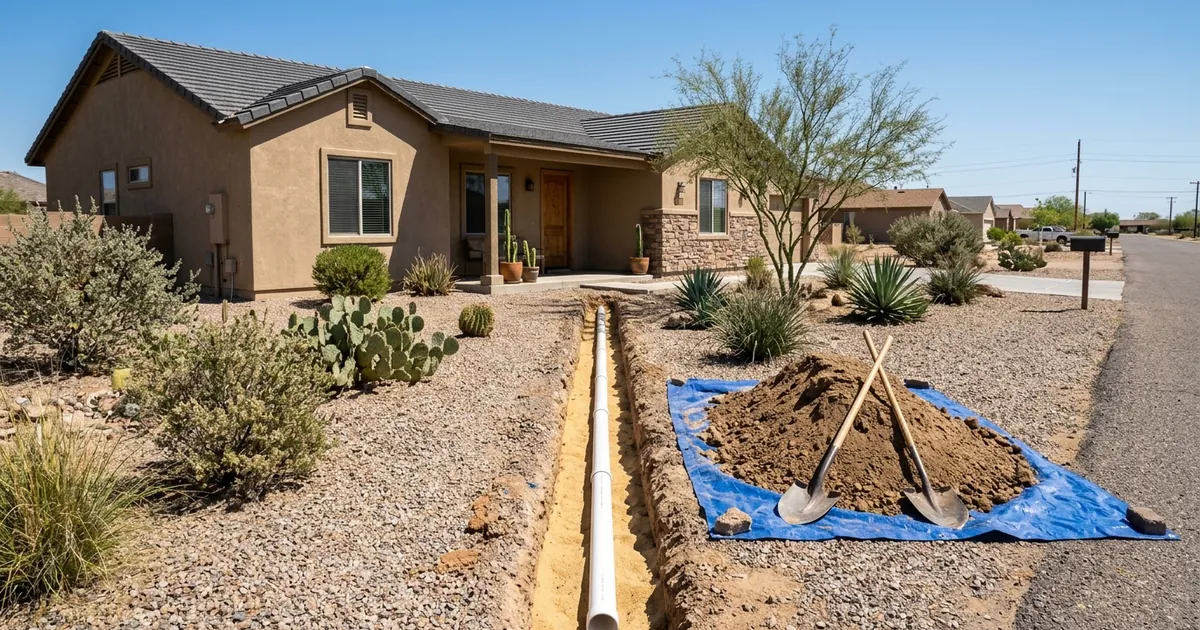
On the day work starts, the area over the line is opened so the old pipe can be reached. How much ground is opened depends on the length and depth of the line and the method that fits your yard.
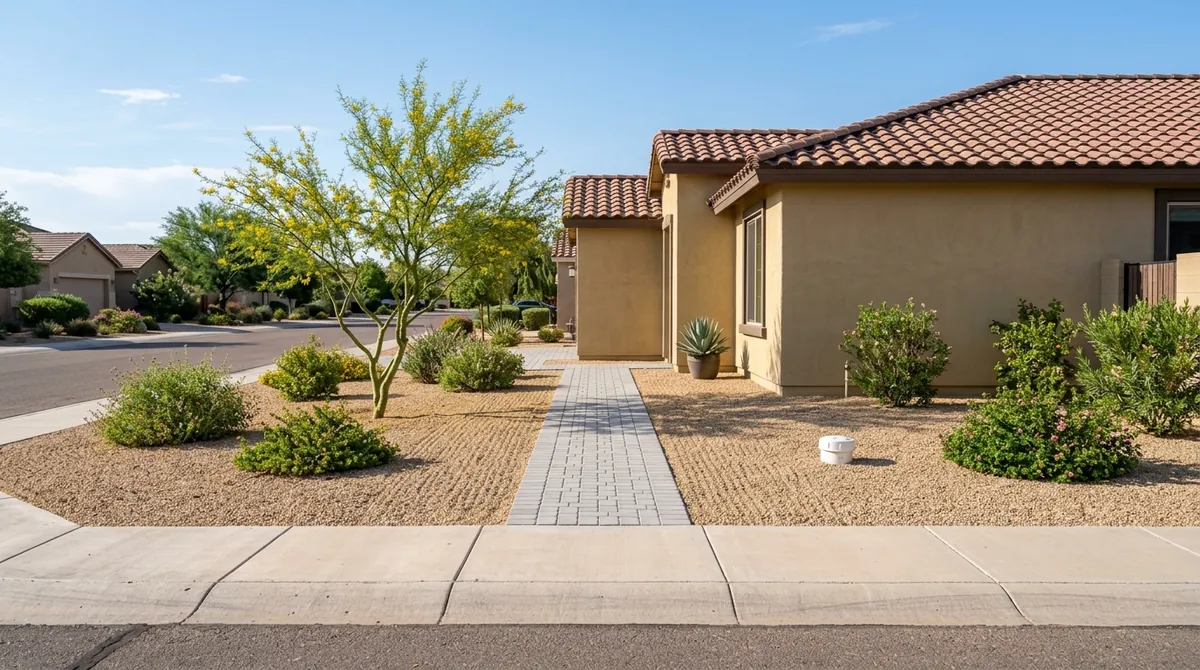
Expect some disruption to landscaping along the line's path. Gravel, pavers and plants along that path are moved or protected where possible. If the line runs under a driveway or patio, that section is part of the scope you agreed to in Step 2.
Step 5: Laying the New Line
The old pipe comes out and the new line goes in. Two things matter most here:
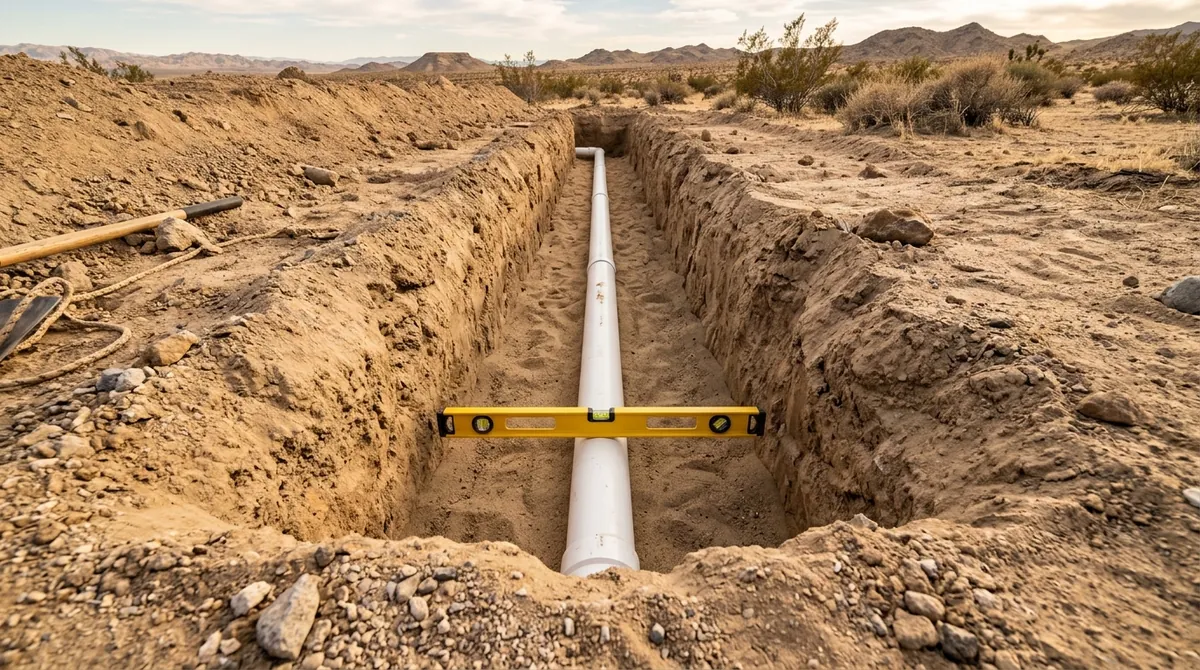
- Slope. A sewer line drains by gravity, so it has to fall steadily from the house to the city connection. Too flat and waste settles; low spots, or "bellies", are a common reason old lines fail.
- Connections. The new line is joined at the house and at the city tap, with fittings that suit both the new pipe and whatever it meets.
Step 6: Testing and a Second Camera Run
Before anything is covered, the new line is flow-tested and the camera goes through it again. You can see the finished pipe on screen: straight, clean joints, and water running the way it should.
This is the step that protects you most. A buried line nobody filmed is a line nobody checked.
Step 7: Inspection and Backfill
If the job is permitted, the trench stays open until the city inspector has seen the work. After it passes, the trench is backfilled and compacted, and the surface is put back to the condition agreed in the scope.
Living at Home During the Replacement
You can usually stay home through the job, with one catch: while the old line is disconnected, the drains can't be used. During that part of the work, you won't be able to flush toilets, run the dishwasher or washer, or use the showers and sinks. We plan that window with you in advance, so you know when it starts and when service is back.
A few things help the job go smoothly:
- Clear cars, outdoor furniture and pots from the line's path.
- Keep pets inside and away from the work area.
- Tell us about sprinkler lines, buried wiring or anything else you know is in the yard.
- Plan laundry and dishes around the no-drain window.
How Long It Takes
Most main sewer line replacements take one to several days of work. The length and depth of the line and what sits above it set most of that. Permitted work also waits on the inspector before the trench is closed, so plan around the city's schedule as well as ours.
If You Are Remodeling an Older Home
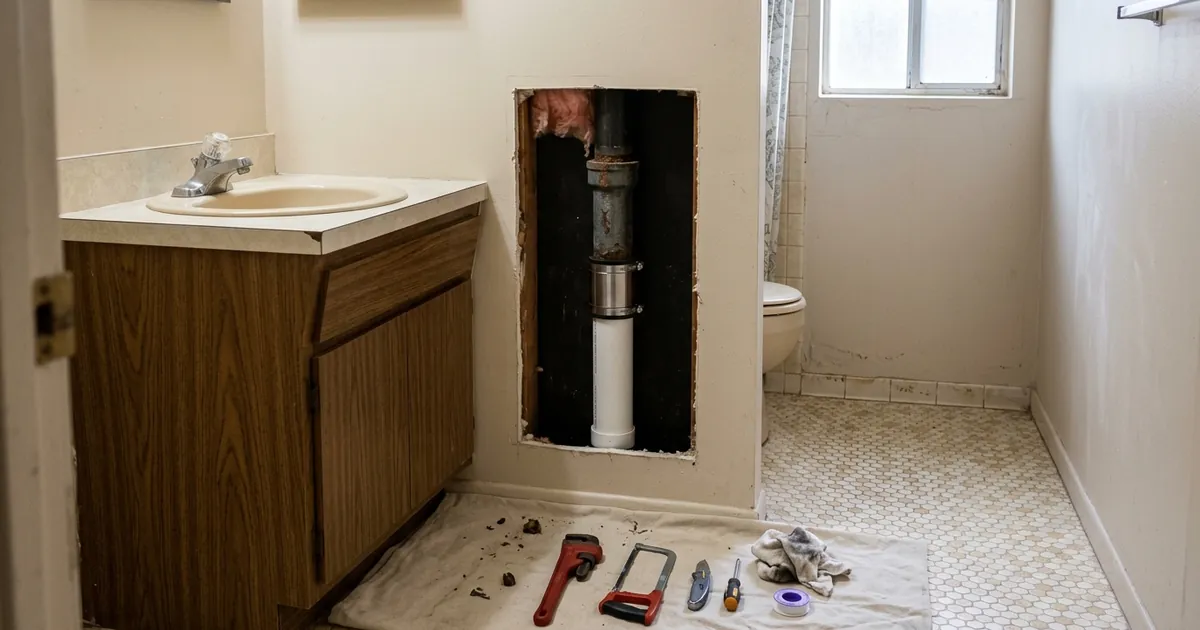
A new bathroom is only as good as the pipe it drains into. In older homes in Tempe, South Scottsdale, west Mesa and north Chandler, the original sewer line may be cast iron or clay. Checking the main line before a remodel, and replacing it first if it is failing, keeps the new work safe. That is part of how our older-home bathroom remodels are planned.
Common Questions
Do I really need the whole sewer line replaced? Not always, and we will tell you if you don't. The camera inspection shows whether the damage is limited to one section or the pipe is failing along its length. A repair can last when the rest of the line is sound. Full replacement makes sense when it isn't.
Can I use my plumbing during a sewer line replacement? Not while the old line is disconnected. During that window, water going down any drain has nowhere to go. We plan it with you ahead of time, so you know when the drains will be out of service and when they come back.
Will my yard be torn up? Some ground along the line's path has to be opened to reach the pipe, so expect disruption there. The scope shows where the work will happen before anything starts, and the trench is backfilled and the surface restored as agreed once the work passes inspection.
Start With the Camera
If several drains are backing up, or a clog keeps coming back, the first step is seeing inside the line. Our main sewer line replacement service starts with a sewer camera inspection, shows you the footage, and recommends full replacement only when a repair won't last.
Renova Plumbing & Drain serves Gilbert, Chandler, Mesa, Queen Creek, Tempe and Scottsdale. Call or text (602) 502-6843 or send us a message.