Choose a tub-to-shower conversion when the tub is the main problem and the rest of the bathroom works for you. Choose a full bathroom remodel when the layout, vanity, valves, floor or plumbing also need attention, because doing them in one project costs less disruption than doing them one at a time.
The deciding factor is usually what sits behind the walls and under the floor, not the tile you pick. This guide walks through what each project covers, the signs that point one way or the other, and how the plumbing changes the answer in East Valley homes.
What Each Project Covers
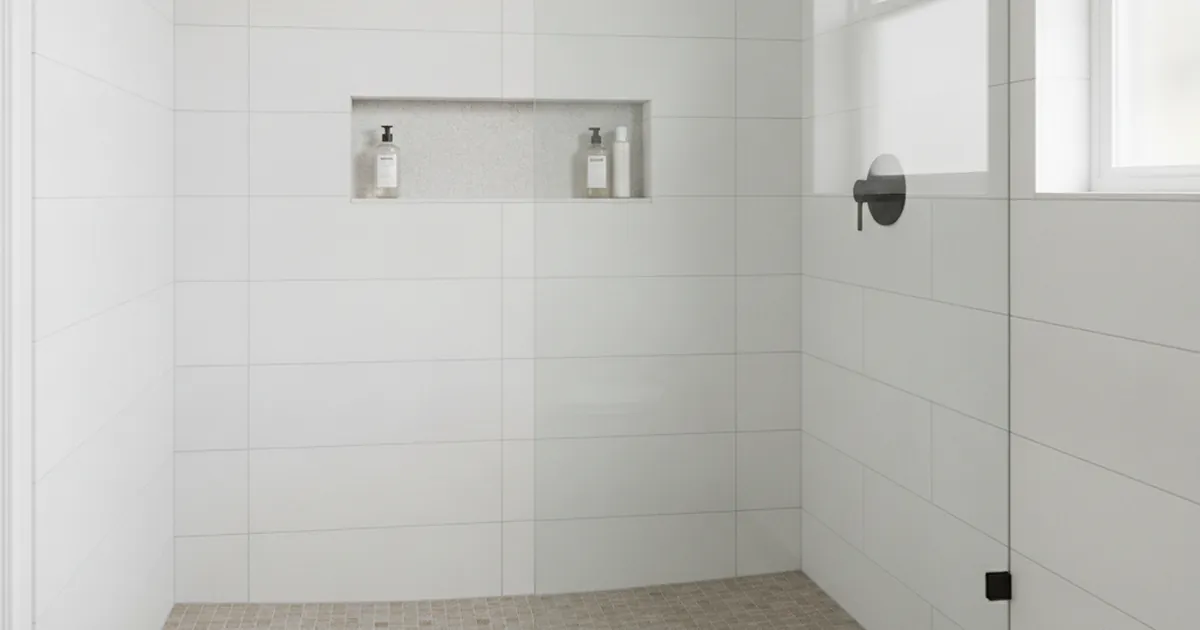
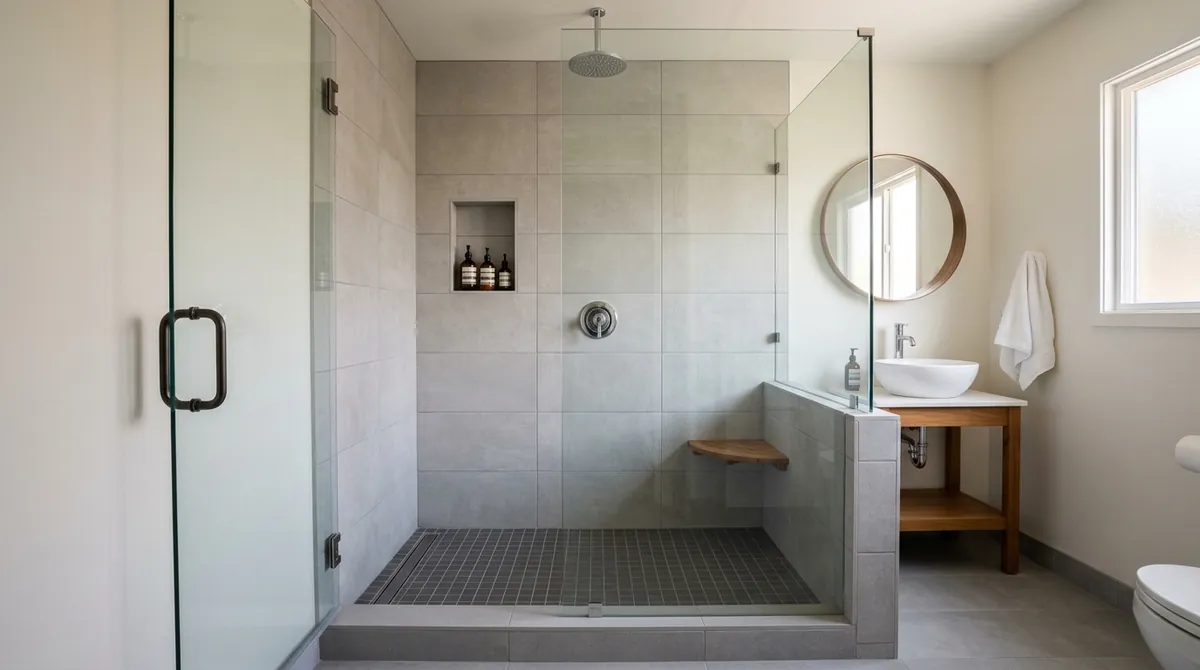
A tub-to-shower conversion removes the bathtub and its surround and builds a walk-in shower in the same space. The work usually includes:
- Removing the tub and the old surround
- Adapting the drain for a shower pan or a tiled shower floor
- Replacing the shower valve while the wall is open
- Waterproofing the new shower walls and floor
- Tile or panels, a curb or curbless entry, and a glass enclosure
The rest of the room stays as it is: the vanity, toilet, floor and lighting.
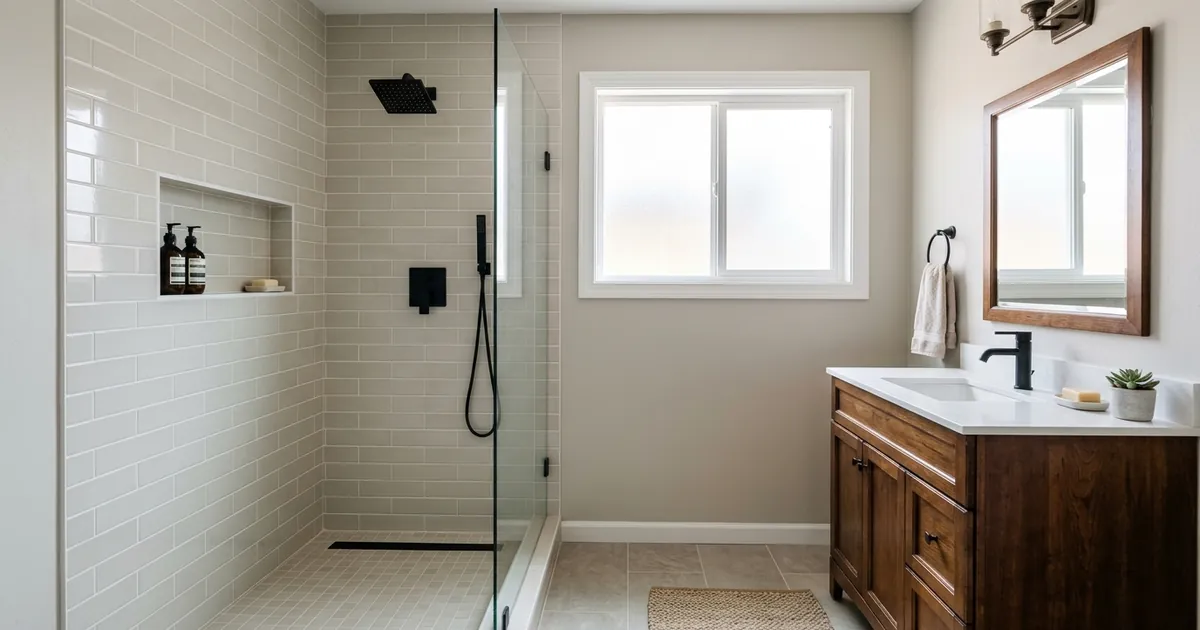
A full bathroom remodel takes the whole room back to a plan. It can include the shower or tub, a new vanity or a double vanity, the toilet, flooring, lighting, ventilation and any layout change. The plumbing gets rerouted where fixtures move, and tested before anything is closed up.
When a Tub-to-Shower Conversion Is Enough
A conversion makes sense when the bathtub is the part that isn't working and the rest of the room is in decent shape.
It usually fits when:
- Nobody in the house uses the tub, and you want a roomier shower in the same footprint.
- Stepping over the tub wall is getting harder for someone at home.
- The tub surround is cracked or stained, but the vanity, floor and toilet are fine.
- You want a bench, niche or glass enclosure without touching the rest of the room.
What to keep in mind:
- If this is the only tub in the house, think about resale and young children before removing it.
- The new shower will sit next to the old vanity and floor. Make sure the finishes will still look right together.
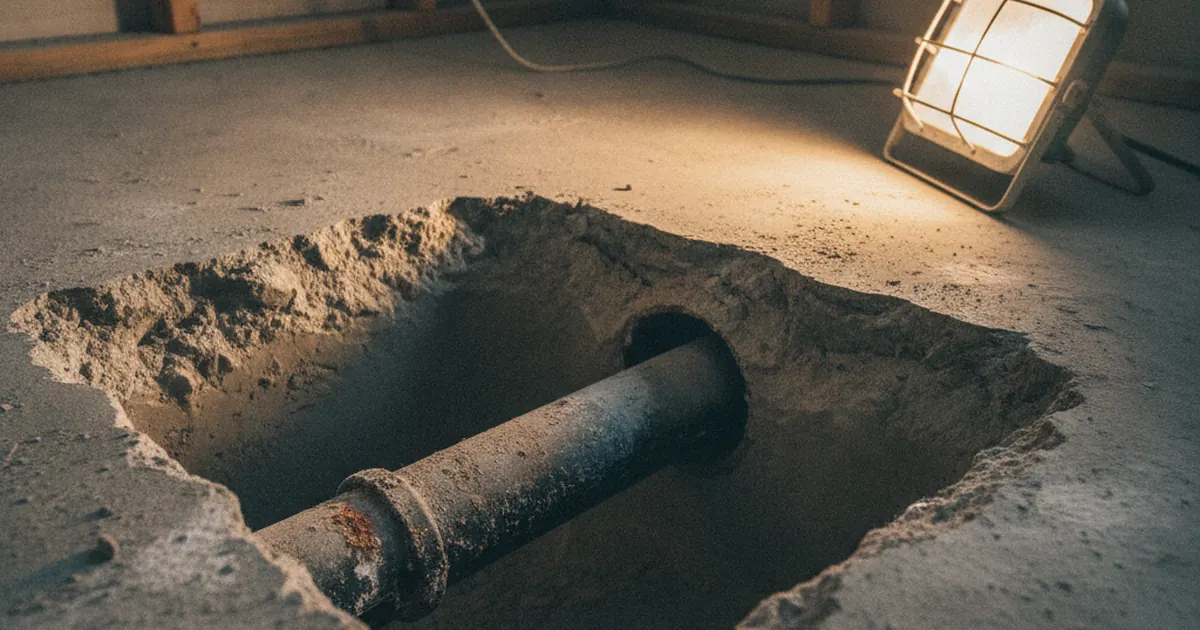
- The drain may need to move or be enlarged for a shower, and in most East Valley homes that drain sits in a concrete slab.
Our guide to what drives tub-to-shower conversion cost covers curb choices, waterproofing and finishes in more detail.
When a Full Remodel Is the Better Spend
A full remodel is worth it when the problems go past the tub.
It usually fits when:
- The bathroom still has builder-grade finishes from the 1990s or 2000s throughout: a fiberglass tub, laminate vanity and basic single-handle valve.
- You want a different layout, such as moving the toilet, widening the shower or turning one sink into two.
- The floor tile is cracked, or there are signs of water damage around the toilet or vanity.
- The shower valve fights you on temperature and the sink faucets are scaled up too.
- Your home was built before about 1980, and nobody has looked at the drains under the bathroom.
Doing these one at a time means opening the same room more than once. A single remodel plans the plumbing once, opens the walls and floor once, and finishes the room together.
The Plumbing Often Decides It
What looks like a simple choice on paper can change once the plumbing is in view.
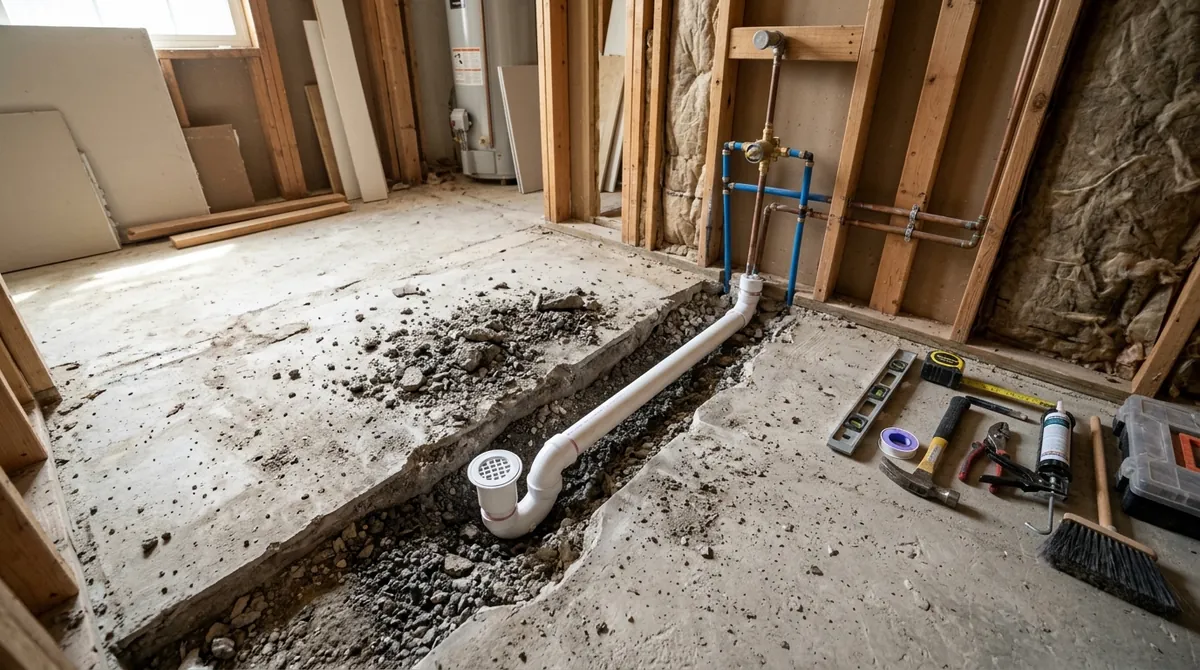
- Moving a drain through the slab. Most East Valley homes are built on a concrete slab, with drains running underneath. Keeping the shower drain where the tub drain was is the simplest path. Moving it, or moving the toilet, means cutting concrete.
- Old drain lines. In homes built before about 1980, common in parts of Mesa, Tempe and south Scottsdale, the drains may be original cast iron. If the floor is coming up for a remodel, that is the time to check them with a camera.
- The shower valve. A new pressure-balancing or thermostatic valve goes in while the wall is open. It's hard to justify opening a finished wall later just for the valve.
- Hard water. East Valley water scales up valves and showerheads. New fixtures in either project deserve protection, such as a water softener if the house doesn't have one.
As Luke puts it: "A bathroom remodel is an investment. The plumbing behind the tile is what protects that investment."
That is why Renova reviews the existing plumbing before anyone settles on a project. In an older home, our older-home bathroom remodel service starts with a camera inspection of the drains.
Fixtures Are Part of the Decision Too
Either project is a chance to replace the showerhead and valve. The U.S. EPA notes that "standard showerheads use 2.5 gallons of water per minute," while showerheads that earn the WaterSense label "use no more than 2.0 gpm." It estimates that "The average family could save 2,700 gallons per year by installing WaterSense labeled showerheads" (EPA WaterSense).
A full remodel goes further, because the sink faucets, toilet and vanity plumbing are replaced at the same time. If water use matters to you, that tips the balance toward doing the room once.
Timeline and Disruption
- Tub-to-shower conversion: tub removal takes about a day. The drain, valve and waterproofing take a few days. A full conversion with tile usually runs one to two weeks, depending on tile, glass and niche choices.
- Full bathroom remodel: several weeks, scoped upfront and scheduled in phases.
If the bathroom being worked on is the only shower in the house, plan for that. Remodel projects book out, sometimes several weeks, so reaching out early helps hold your spot.
What Affects the Cost
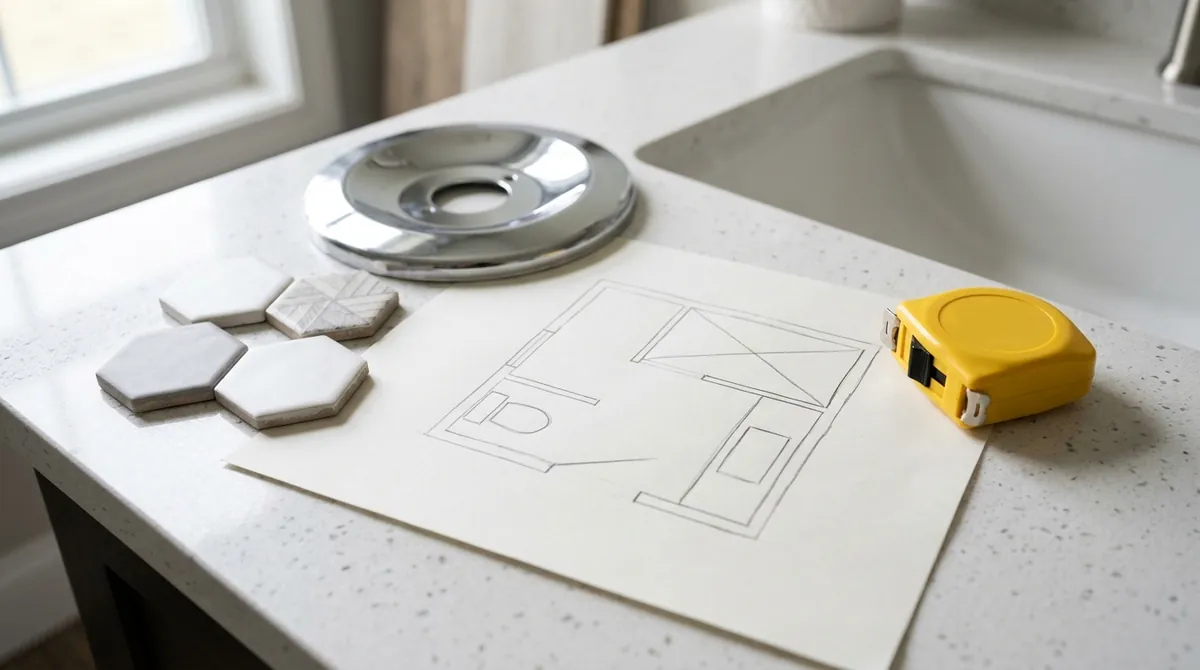
We don't publish prices, because every bathroom is different. After a site visit, you get a clear, line-item scope and estimate before anything is committed. These factors move the number most:
- Layout changes. Keeping fixtures in place costs least. Moving a drain through the slab adds real work.
- Size of the room. A hall bath and a primary suite are very different projects.
- Shower and tub choices. A walk-in tile shower costs more than a tub with a new surround.
- Valves and fixtures. Thermostatic valves and exposed brass fixtures raise the budget.
- Tile and finishes. Tile, vanity, counters and glass set much of the final number.
- Hidden damage. Rot or old leaks found behind the tub are repaired before building.
- Permits. Remodel plumbing often needs one. Renova coordinates the permit for the plumbing scope when it's required. Check with your city for its own rules.
Free visual estimates are available. Larger projects such as remodels need a site visit first, and if diagnosing a problem needs a camera or testing, a diagnostic fee may apply.
Questions to Ask Before You Decide
- Can the new shower drain stay where the tub drain is now?
- What condition is the existing valve in, and will it be replaced?
- Have the drains under this bathroom been checked?
- If I convert the tub now, will a full remodel later mean reopening this work?
- Who handles the plumbing and who handles the finish, and who is accountable if something behind the wall goes wrong?
That last one matters. Most remodelers cover old plumbing with new tile, and most plumbers hand you off to a separate remodeler. Renova handles both, so one accountable company is responsible from behind the walls through the finished room.
Common Questions
Is a tub-to-shower conversion cheaper than a full remodel? Usually, because it covers one part of the room. The gap narrows if the drain has to move through the slab, the valve needs replacing or damage turns up behind the tub. A site visit shows which of those apply to your bathroom.
Can I convert my tub to a shower and remodel the rest later? Yes. Plan the shower so it won't need reopening, and replace the valve and check the drain now. Choose finishes that will still work with the vanity and floor you plan to install later.
Do I need a full remodel to move my shower? Moving a shower to a new spot changes the drain and supply routes, often through the slab. At that point the project is closer to a remodel than a conversion, so it's worth planning the whole room.
Talk Through Your Bathroom Before You Pick a Project
If you're weighing a new shower against a whole new bathroom, start with the room you have. Our bathroom remodeling service covers everything from a fixture refresh to a full rebuild, and our tub-to-shower conversions page explains how we handle the drain, valve and waterproofing.
Renova Plumbing & Drain serves Gilbert, Chandler, Mesa, Queen Creek, Tempe and Scottsdale. Call or text (602) 502-6843 or send us a message.