Repair your water heater when one part has failed and the tank itself is sound: a thermostat, heating element, igniter, thermocouple, anode rod or relief valve. Replace it when the tank is leaking or badly corroded, or when an older heater needs a costly repair that would only delay the inevitable.
The hard part is knowing which situation you're in. This guide walks through the common faults, the signs a tank is finished, and how East Valley hard water changes the decision.
Start With What the Heater Is Doing
The symptom usually points to the cause. Before anyone talks about a new heater, it helps to match what you're seeing to the likely fault.
| What you notice | Likely cause | Usually |
|---|---|---|
| No hot water, gas heater | Igniter, pilot, thermocouple or gas control | Repair |
| No hot water, electric heater | Element, thermostat or tripped breaker | Repair |
| Water only lukewarm | One failed element or thermostat | Repair |
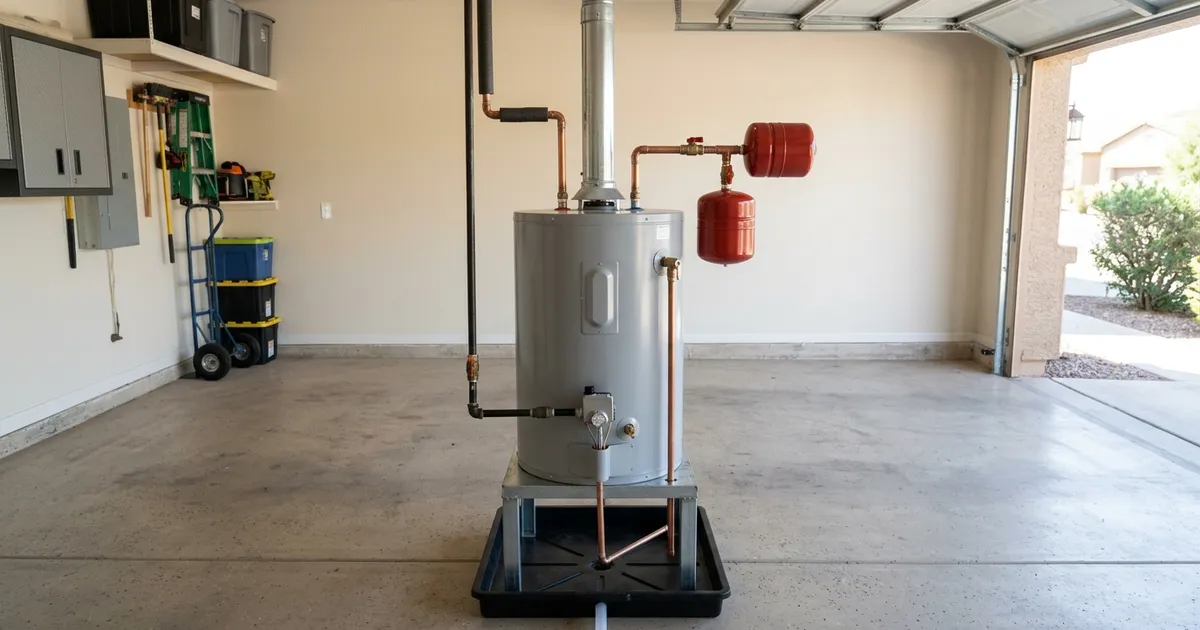
| Water dripping from the relief valve pipe | Worn valve, or system pressure too high | Repair and check pressure |
| Rotten egg smell from hot water | Reaction with the anode rod | Repair |
| Popping or rumbling from the tank | Hard water sediment on the bottom | Flush, if the tank is not too far gone |
| Water pooling under the tank | Leak from a fitting, or from the tank body | Depends where it's coming from |
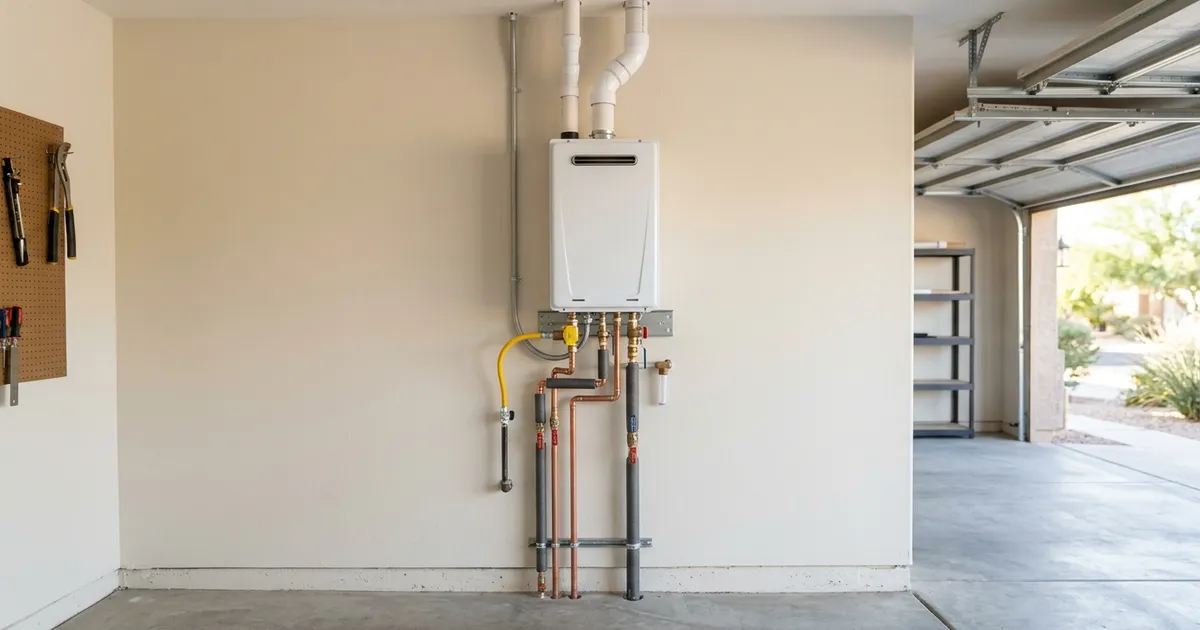
| Tankless error code | Scale, gas supply or venting | Usually repair or descale |
Most of these are one-visit repairs. The one fault that can't be repaired is a leak from the tank itself.
Faults That Are Usually Worth Repairing
A water heater is a fairly simple appliance. When one of its parts fails, replacing that part often brings the whole heater back.
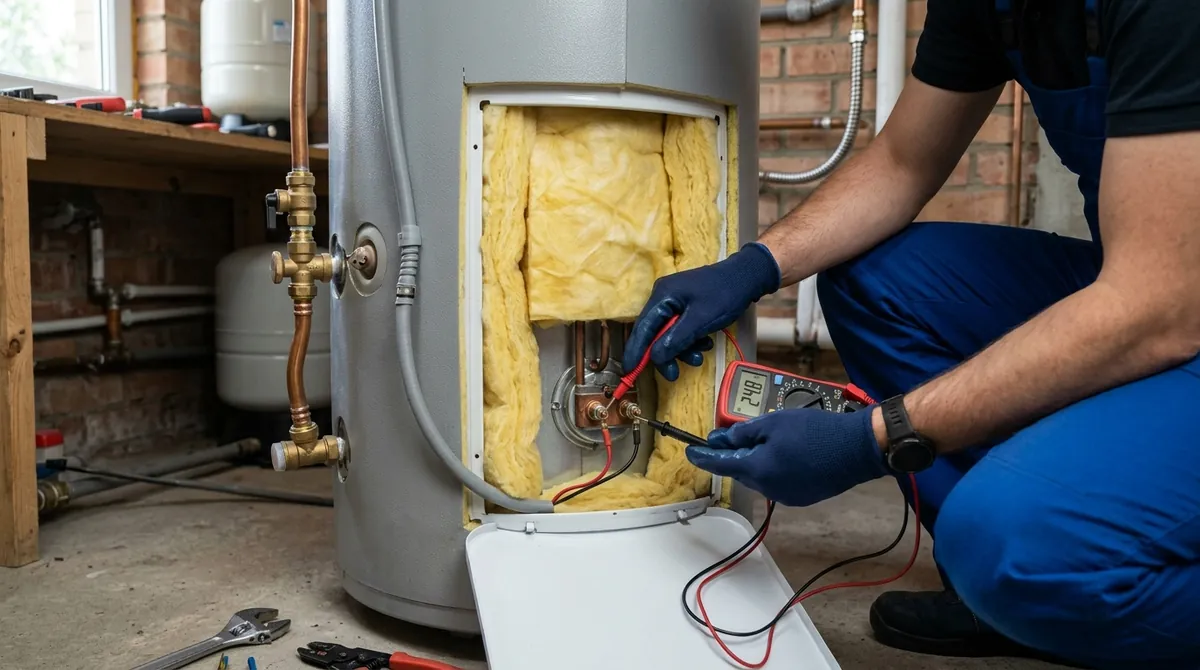
- Thermostats and heating elements. Electric tanks have two of each. One failure often shows up as lukewarm water rather than none.
- Igniters, pilots and thermocouples. On gas tanks, these are the usual reasons the burner won't light or stay lit.
- Gas control valves. Costlier than the other parts, but often still sensible on a younger heater.
- Relief valves. A dripping valve may be worn out. If system pressure is too high, a new valve alone won't stop it, so pressure needs checking too.
- Anode rods. The rod protects the tank from corrosion. Replacing it can stop odors and help a tank last longer.
Our water heater repair visits start with a diagnosis, so you know which part failed and what the fix involves before work begins.
Signs the Tank Is Done
Some problems mean the heater has reached the end of its life. Repairs at this point tend to buy months, not years.
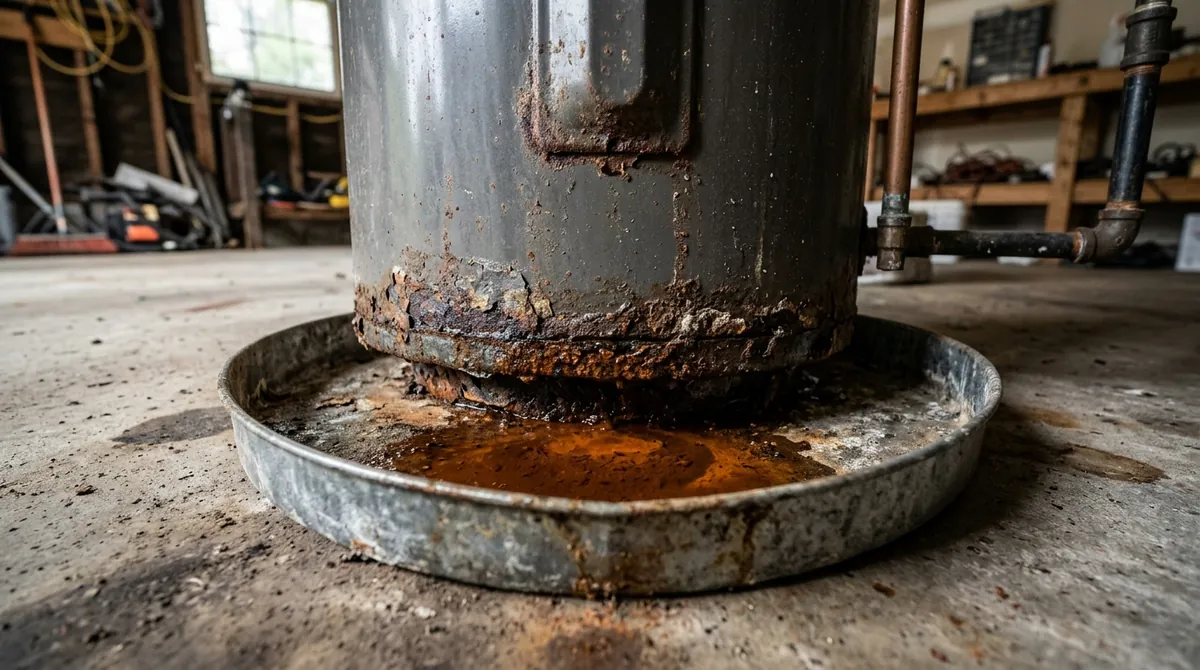
- Water leaking from the tank body. Once the inner tank rusts through, it can't be patched. Leaks from a fitting or valve are different and often fixable, so find the source first.
- Rust on the base or seams. Corrosion you can see outside usually means more inside.
- Rusty hot water only. If cold water is clear and hot water is brown, the tank lining may be failing.
- Repeat repairs. When parts keep failing one after another, the heater is wearing out as a whole.
- Heavy sediment that won't flush. A tank packed with scale heats poorly and may not clear.
If any of these sound familiar, our guide to what drives water heater replacement cost in Gilbert explains what a proper replacement quote should cover.
How Age Changes the Math
Age doesn't decide the question on its own, but it changes how much a repair is worth. Spending on a gas control for a young heater makes sense. Spending the same on a tank that's near the end of its life may not.
When you get a repair quote, ask two questions. How old is the heater, going by the date code on its label? And what condition is the tank in, apart from the part that failed? A plumber who answers both is giving you the full picture, not just the repair.
Tankless heaters are a different case. ENERGY STAR says tankless water heaters "have a life expectancy of 20 years, much longer than any conventional tank-type water heater." So a tankless unit with a fault is more often worth repairing than an older tank with the same fault.
Why Hard Water Matters in Gilbert
East Valley water is hard. The minerals in it settle in the bottom of a tank as sediment and build up as scale inside tankless heat exchangers. That changes the repair-or-replace decision in a few ways.
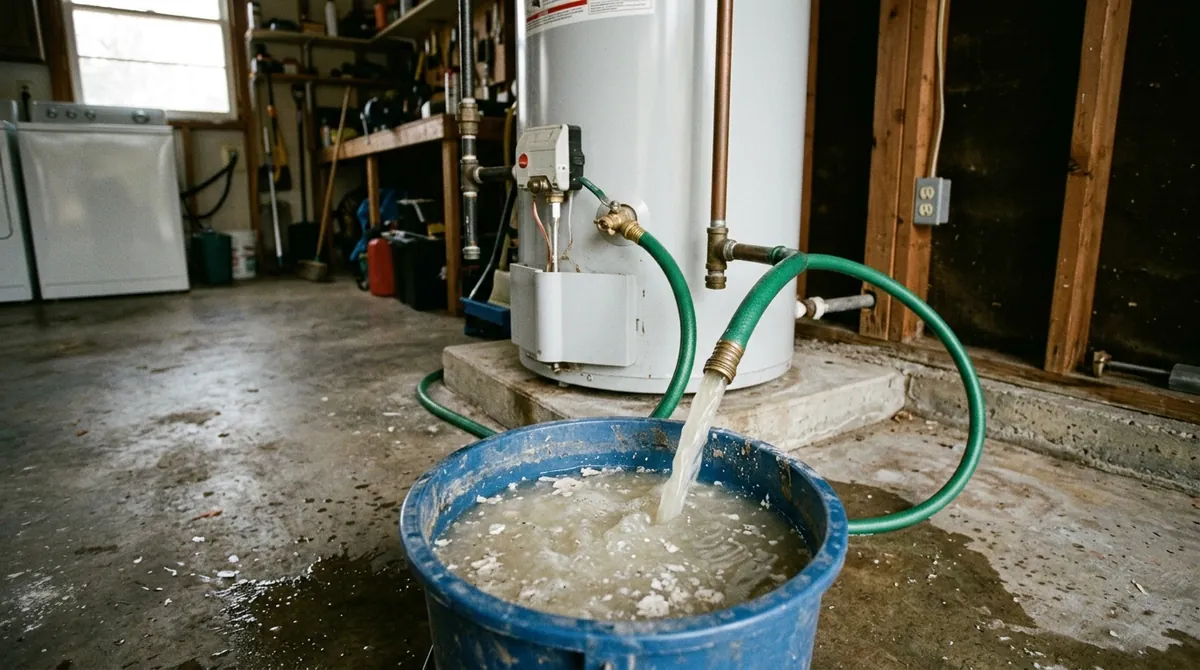
- Sediment makes tanks noisy and less efficient. A flush can help on a tank that has been looked after. On a neglected one, it may not clear.
- Scale is the top cause of tankless trouble. Many tankless error codes trace back to it, and descaling often fixes them.
- Heat adds wear. Garage and closet heaters in our summers run hot, which is hard on thermostats, gas controls and connections.
If hard water keeps wearing out your heater, it's worth asking about water softeners and whole-home treatment at the same time.
When Replacing Makes More Sense
Sometimes a repair is possible but replacing is still the better call. These are the usual reasons:
- The tank is leaking or corroded.
- The heater needs a costly part, and it's already near the end of its life.
- It has needed several repairs in a short time.
- It no longer keeps up with your household.
- You were already planning to switch from tank to tankless.
Planning a replacement before the tank fails lets you choose the heater, the size and the timing, instead of deciding with water on the garage floor. Our water heater replacement page explains how we size and install a new tank.
Questions to Ask Before You Decide
Whoever looks at your heater, these questions help you judge the advice:
- What exactly failed, and how did you test it?
- Is the tank sound, apart from that part?
- How old is the heater, and what is its condition overall?
- Will this repair fix the cause, or just the symptom?
- If you recommend replacing it, why isn't a repair worth it here?
At Renova, the answer is part of the visit. If a repair makes sense, that's what we recommend. If it doesn't, we tell you why.
Common Questions
Can a leaking water heater be repaired? It depends where the water comes from. A leaking drain valve, relief valve or fitting can usually be repaired. A leak from the tank body means the inner tank has rusted through, and the heater needs replacing.
Is it worth replacing the anode rod on an old tank? On a tank that is still sound, a new anode rod can help protect it from corrosion. On a tank that is already rusting or leaking, it's too late for the rod to help.
Should I switch to tankless when my tank fails? It can make sense, but it's a bigger job than a straight swap. Tankless units often need a larger gas line and new venting. Planning it before your tank fails gives you time to compare options.
Talk to a Local Water Heater Plumber
If your water heater is acting up, start with a diagnosis rather than a sales pitch. Call or text Renova and tell us what it's doing, and we'll tell you honestly whether it's a repair or a replacement.
Renova Plumbing & Drain serves Gilbert, Chandler, Mesa, Queen Creek, Tempe and Scottsdale. Call or text (602) 502-6843 or send us a message.